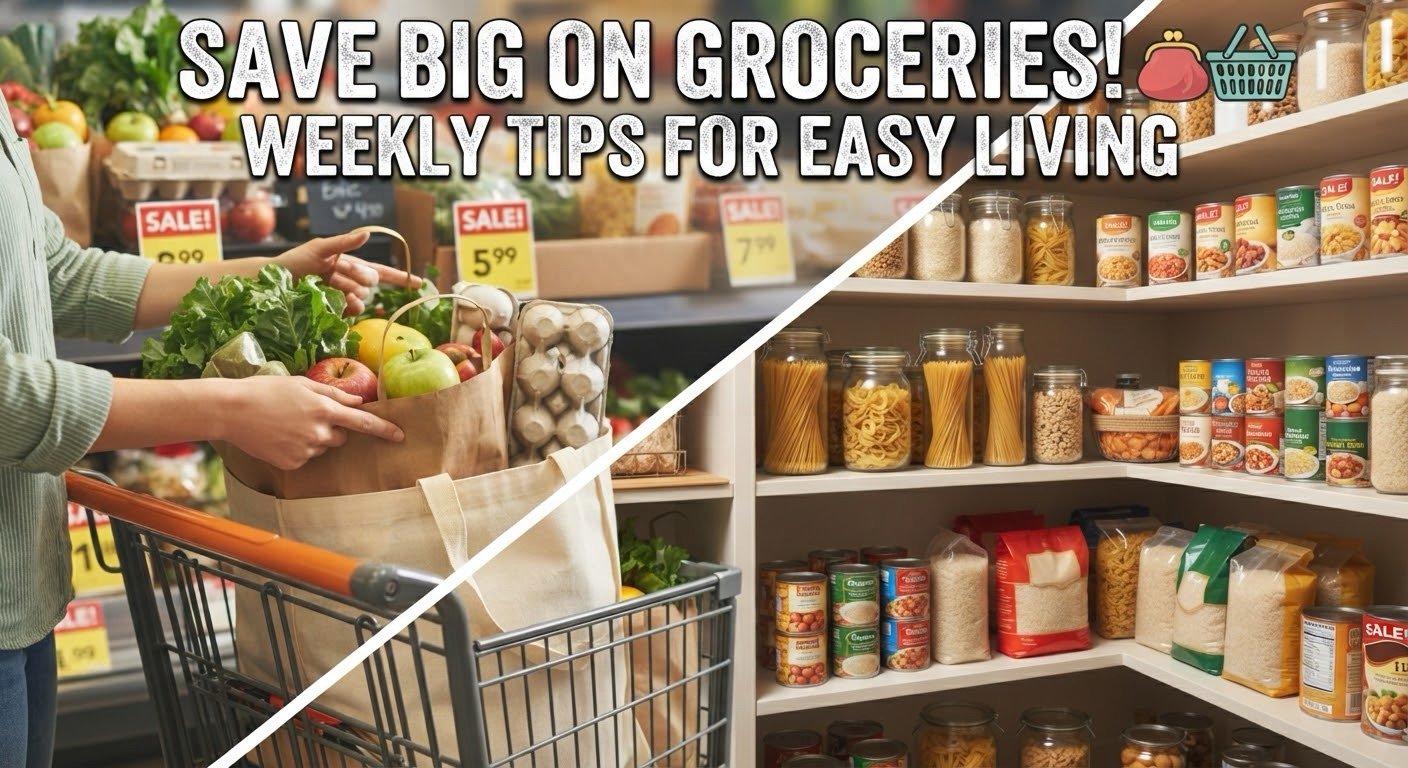
How to Save Money on Groceries: With the rising cost of everyday living, watching our monthly food bills climb higher and higher can feel overwhelming. If you are looking for simple ways to stretch your household budget without sacrificing healthy meals, learning how to save money on groceries is one of the most effective lifestyle habits you can build today.
Many people assume that cutting food expenses requires extreme couponing, spending hours hunting for deals, or eating bland, uninspiring food every single night. The good news is that living well doesn’t have to cost a fortune. With just a few smart shopping strategies, conscious meal planning, and minor adjustments to your daily routine, you can easily trim your grocery bill every single week. Let’s explore comprehensive, practical easy life tips designed to help you keep more money in your wallet while enjoying delicious meals.
1. Master the Art of Meal Planning Before Shopping
The absolute biggest financial trap that drains our grocery budget is impulse buying driven by hunger, fatigue, or a total lack of direction. When you walk down supermarket aisles without a solid plan, you end up tossing unnecessary, high-priced convenience items into your cart that frequently go to waste.
Building a Sustainable Weekly Menu
- Audit Your Pantry First: Before writing a single item on your shopping list, look inside your refrigerator, freezer, and kitchen cupboards. Challenge yourself to build meals around ingredients you already own.
- Write a Strict Shopping List: Create a detailed, day-by-day meal plan for the entire week, list the exact ingredients required, and make a firm commitment to stick only to your list once you arrive at the store.
- Never Shop Hungry: Never grocery shop on an empty stomach. Hunger clouds your cognitive judgment and triggers emotional purchases of expensive snacks, pre-packaged meals, and sweets.

2. Shop Smart: Generic Store Brands vs. National Brands
Another major area where modern households waste hundreds, if not thousands, of dollars every year is blindly purchasing expensive name-brand products purely out of habit.
Why Store Brands Offer Better Value
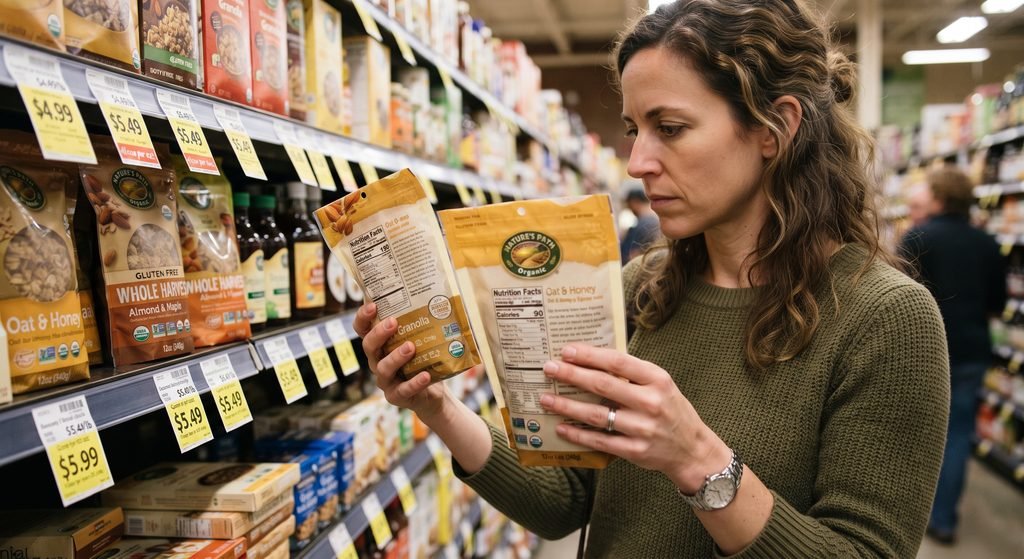
- Examine the Ingredient Labels: Take a close look at the ingredient labels on generic store brands versus expensive national brands. In the vast majority of cases—especially for staple items like flour, sugar, rolled oats, canned beans, baking soda, spices, and milk—the chemical composition and ingredients are completely identical.
- Embrace Generic Alternatives: Supermarkets price their own house labels significantly lower because they don’t spend millions of dollars on massive national advertising campaigns. Switching just half of your shopping cart items to generic store brands can instantly slash 20% to 30% off your total grocery bill.
- Look Up High and Low: Supermarkets strategically place the most expensive, high-profit brand items right at eye level on store shelves. Always look at the very top or bottom shelves to find budget-friendly generic alternatives.
3. Smart Storage and Preservation to Prevent Food Waste
Saving money on food isn’t just about how cheaply you buy items; it is also about making sure nothing goes to waste after you bring it home. Throwing away spoiled, forgotten produce at the end of the week is literally throwing away hard-earned cash.
Simple Freshness Hacks to Extend Shelf Life
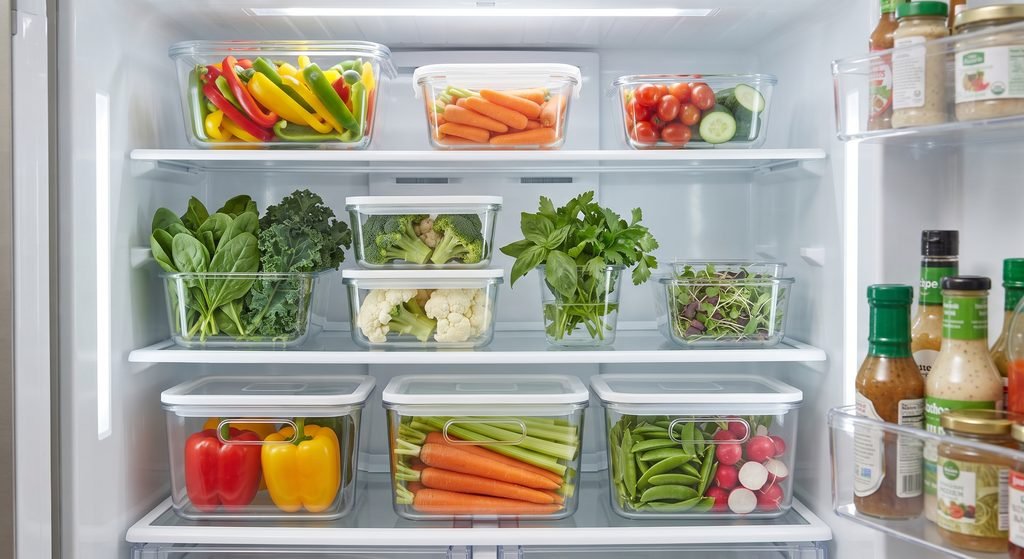
- Proper Produce Storage: Learn how to store leafy greens, fresh berries, and root vegetables correctly. For instance, placing a dry paper towel inside leafy green storage containers absorbs excess moisture and keeps them crisp for weeks.
- Embrace Your Freezer: If you bought fresh meat, sliced bread, or seasonal fruits on sale that you know you cannot finish immediately, freeze them right away in airtight, portioned containers to safely extend their shelf life.
- First In, First Out (FIFO): Adopt a restaurant-style inventory mindset in your fridge. Move older items to the front and newer items to the back so nothing gets hidden and left to rot in the dark corners.
Frequently Asked Questions (FAQ)
Q: Is buying groceries in bulk always cheaper?
A: Not necessarily. Bulk shopping (such as visiting warehouse clubs) saves money on non-perishable household goods or pantry staples your family consumes consistently. However, buying bulk perishable foods like fresh milk, delicate fruits, or large cuts of meat is a waste of money if it spoils before you can finish eating it.
Q: How many times a week should I go grocery shopping?
A: Aim to strictly limit your shopping trips to once a week. Every single time you walk into a grocery store, you expose yourself to psychological marketing tactics and product placements, dramatically increasing your chances of buying extra items you never planned for.
Q: What is the best day of the week to buy groceries?
A: Many major supermarkets restock their aisles, update price tags, and markdown near-expiration meats, dairy, or bakery items on Wednesday mornings or early Sunday evenings, making these optimal times to catch deep clearance discounts.
Disclaimer: This post may contain affiliate links. If you use these links to buy something, we may earn a commission at no additional cost to you. We only recommend products we trust and use ourselves.