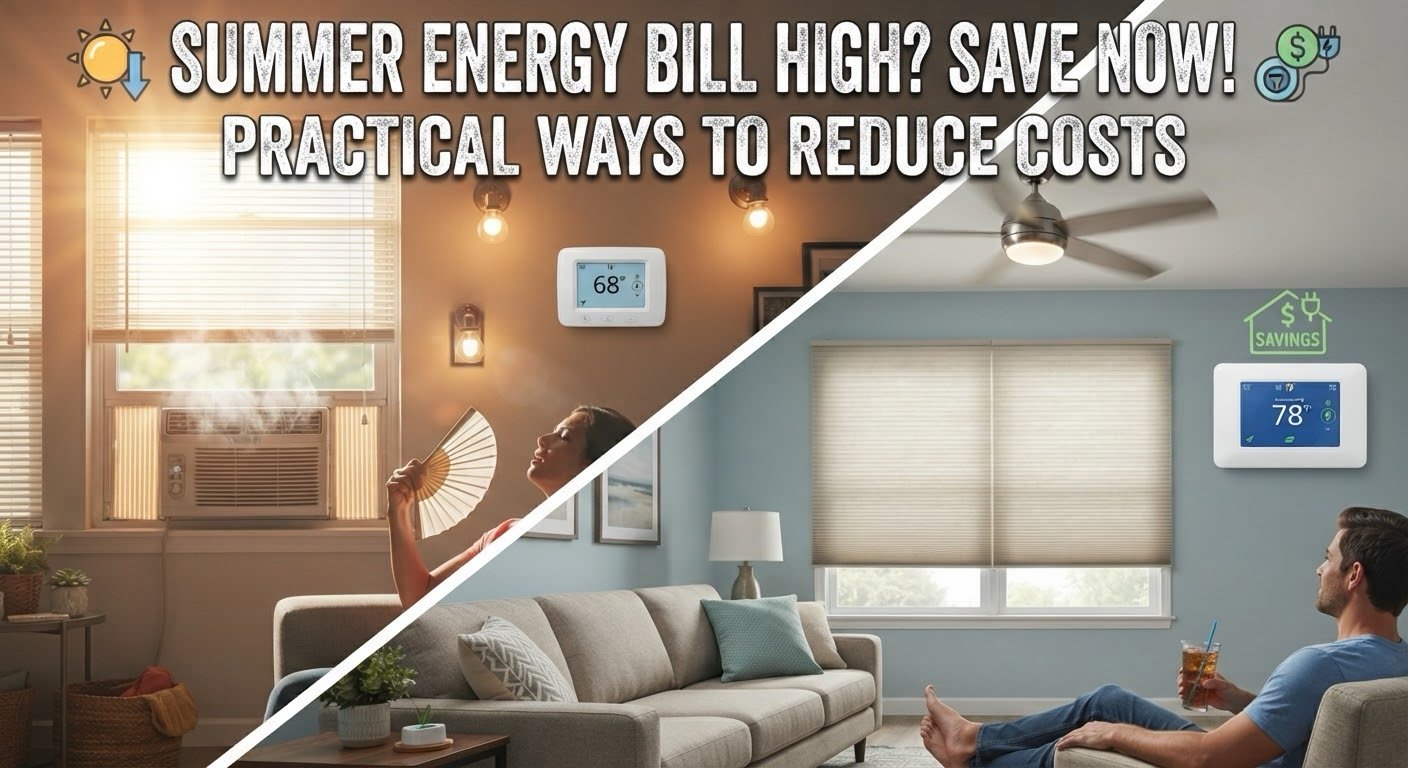
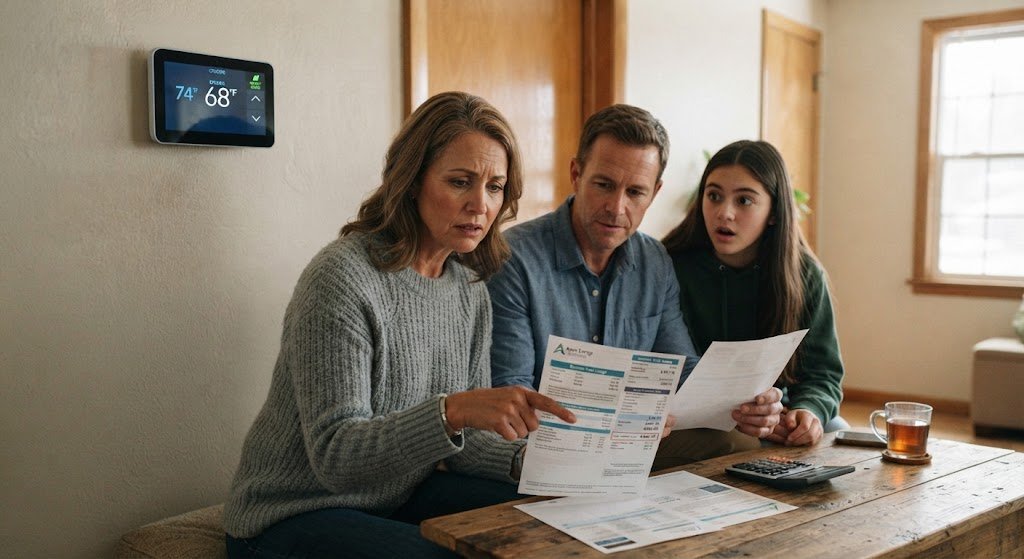
Lower your electric bill: Summer is often the season when households see the highest electricity bills of the year. As outdoor temperatures rise, air conditioners run longer, fans operate throughout the day, and many appliances work harder to keep homes comfortable. For many families, the result is a noticeable increase in monthly utility expenses.
The good news is that lowering your electric bill does not necessarily require expensive upgrades or major lifestyle changes. Small adjustments to daily habits and home energy use can add up over time, helping reduce electricity consumption while maintaining a comfortable indoor environment.
This guide explains practical and affordable ways to lower your electric bill during summer while improving overall energy efficiency throughout your home.
Why Electricity Bills Increase During Summer
Many homeowners are surprised by how quickly summer energy costs can rise.
Air conditioning systems typically use more electricity than any other household appliance during hot weather. In addition, longer daylight hours often lead to increased appliance use, and higher outdoor temperatures make refrigerators and freezers work harder to maintain safe internal temperatures.
Understanding where electricity is being used is the first step toward reducing unnecessary energy consumption.
Optimize Your Air Conditioner Settings
For most households, cooling costs represent the largest portion of a summer utility bill.
Many people believe that lowering the thermostat dramatically will cool a room faster. However, most air conditioning systems work at the same speed regardless of the selected temperature.
Choose an Efficient Temperature Setting
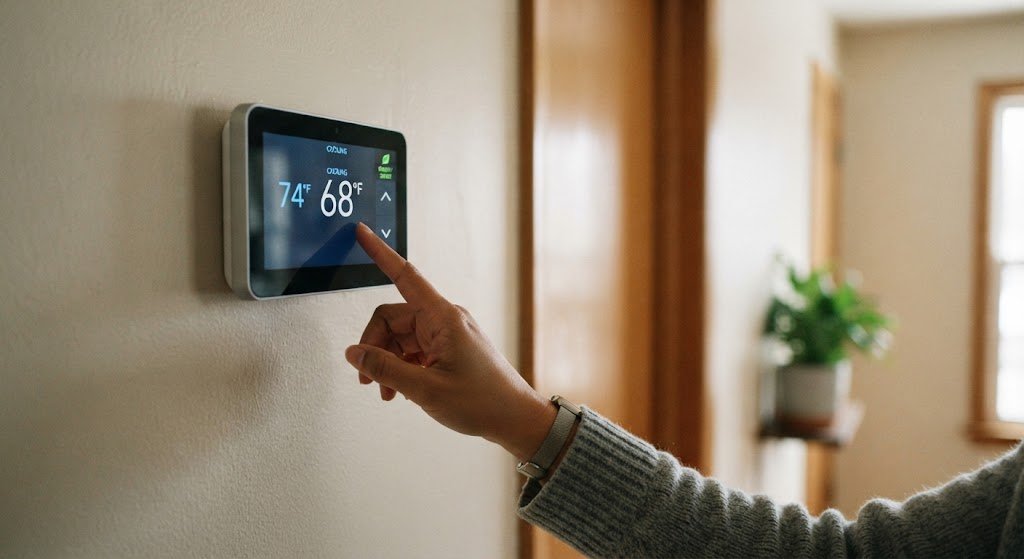
A thermostat setting between 75°F and 78°F (24°C to 26°C) is often considered a good balance between comfort and energy efficiency.
Even a small increase in thermostat temperature can reduce cooling costs over time.
Use Programmable Features
Many modern thermostats include scheduling features that automatically adjust temperatures when family members are sleeping or away from home.
These automated adjustments can help reduce unnecessary energy consumption without sacrificing comfort.
Use Fans Together With Air Conditioning
Ceiling fans and portable fans improve air circulation throughout the home.
Because moving air helps people feel cooler, many households can maintain comfort while setting the thermostat a few degrees higher.
Eliminate Standby Power Consumption
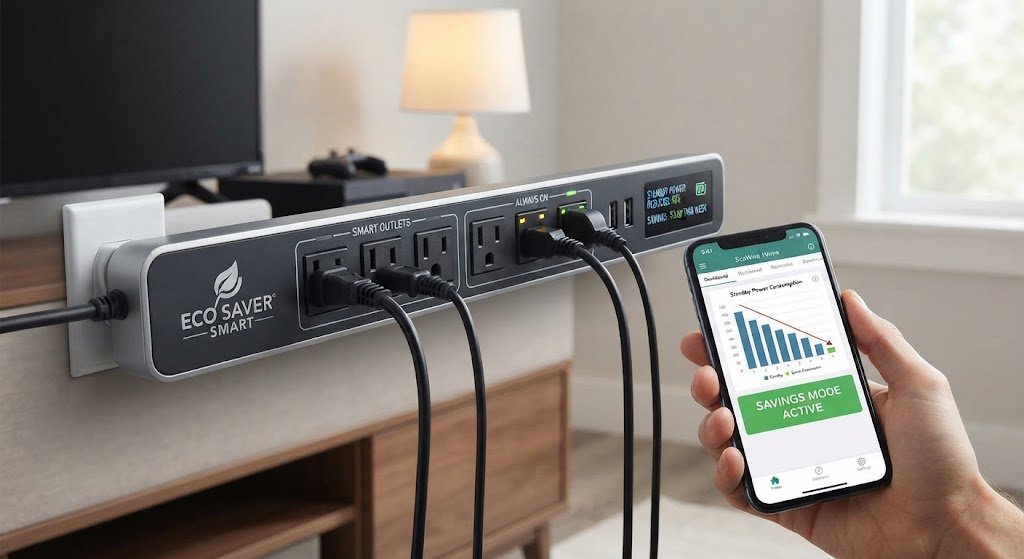
Many electronic devices continue using electricity even when they appear to be switched off.
This hidden energy use is often called standby power, phantom load, or vampire power.
Common devices that may consume standby power include:
- Television equipment
- Gaming consoles
- Computer accessories
- Phone chargers
- Kitchen appliances with digital displays
Unplug Devices When Possible
Disconnecting unused electronics can help reduce wasted electricity.
Use Smart Power Strips
Smart power strips automatically cut power to selected devices when they are not actively being used.
This provides a convenient way to reduce energy waste without manually unplugging equipment every day.
Reduce Heat From Direct Sunlight
Sunlight entering through windows can significantly increase indoor temperatures.
When solar heat enters a home, air conditioning systems must work harder to maintain comfortable conditions.
Close Blinds During Peak Hours
The hottest period of the day typically occurs between noon and late afternoon.
Closing blinds, shades, or curtains during these hours can help limit heat gain.
Install Thermal Curtains
Thermal curtains are designed to reduce heat transfer through windows.
Many homeowners find that insulated window coverings help rooms stay cooler during summer and warmer during winter.
Use Major Appliances More Efficiently
Large household appliances can contribute substantially to overall electricity usage.
Run Appliances During Cooler Hours
Washing machines, dishwashers, and dryers generate both heat and electricity demand.
Using these appliances early in the morning or later in the evening may help reduce indoor heat buildup.
Air-Dry Clothes When Possible
Dryers consume a significant amount of energy.
Whenever weather permits, drying clothes on a clothesline or drying rack can reduce electricity usage while extending the lifespan of fabrics.
Skip Heated Dry Cycles
Many dishwashers offer heated drying features.
Allowing dishes to air-dry naturally may lower overall energy consumption.
Maintain Your Cooling System
A well-maintained cooling system operates more efficiently than a neglected one.
Clean or Replace Air Filters
Dust and debris can restrict airflow, forcing an HVAC system to work harder.
Inspect filters regularly and follow the manufacturer’s recommendations regarding cleaning or replacement.
Keep Outdoor Units Clear
Leaves, grass clippings, and other debris can obstruct airflow around outdoor condenser units.
Maintaining clear space around these units helps improve cooling efficiency.
Schedule Periodic Maintenance
Routine inspections can help identify developing problems before they become costly repairs.
An efficiently operating system generally uses less electricity than equipment with clogged components or worn parts.
Additional Energy-Saving Habits
Small changes throughout the home can contribute to noticeable savings.
Examples include:
- Turning off unused lights
- Using LED bulbs
- Cooking outdoors when appropriate
- Limiting oven use during extremely hot weather
- Sealing air leaks around doors and windows
While each action may seem minor, the combined effect can help reduce monthly electricity costs.
Frequently Asked Questions
What uses the most electricity during summer?
For most households, air conditioning is typically the largest source of electricity consumption during hot weather.
Does raising the thermostat really save money?
Yes. Increasing the thermostat setting by even a few degrees may reduce cooling costs while maintaining acceptable comfort levels.
Are ceiling fans cheaper to run than air conditioners?
Generally, ceiling fans use significantly less electricity than central air conditioning systems. However, fans cool people rather than lowering room temperature.
How often should air filters be cleaned?
Many homeowners inspect filters monthly during heavy cooling seasons. The ideal schedule depends on the filter type, household conditions, and manufacturer recommendations.
Can unplugging electronics make a difference?
Yes. Although individual devices may use small amounts of standby power, multiple devices operating continuously can increase annual electricity costs.
Final Thoughts
Reducing your summer electric bill does not require major sacrifices or expensive home renovations. By optimizing air conditioner settings, reducing standby power usage, limiting solar heat gain, operating appliances strategically, and maintaining cooling equipment, homeowners can improve energy efficiency and lower monthly utility expenses.
The most effective approach is often a combination of several small changes. Over time, these energy-saving habits can help create a more comfortable home while keeping electricity costs under control.