How to remove clothing stains at home: Accidental spills and stains are part of everyday life. Whether it is a drop of coffee during your morning commute, cooking oil from dinner, or an unexpected ink mark from a leaking pen, stains can make even well-maintained clothing look worn and neglected. The good news is that many common stains can be managed successfully at home when treated correctly and as soon as possible.
One of the biggest misconceptions about stain removal is that stronger cleaning products automatically produce better results. In reality, successful stain treatment often depends on understanding the stain type, acting quickly, and using methods that are appropriate for the fabric. Different stains interact with textile fibers in different ways, which is why a solution that works for grease may not work for coffee or ink.
This guide explains practical approaches for dealing with some of the most common clothing stains while helping reduce the risk of damaging your garments.
The First Rule of Stain Removal: Act Quickly
Time plays an important role in stain removal. Fresh stains are generally easier to treat than stains that have dried or been exposed to heat.
When a spill occurs, avoid the urge to scrub the fabric aggressively. Rubbing can force the staining substance deeper into the fibers and may even damage the fabric structure. Instead, use a clean white cloth or paper towel to gently blot the area. Blotting absorbs excess liquid without spreading the stain further.
If possible, identify the type of stain before applying any cleaning product. Different substances require different treatment methods, and using the wrong approach can sometimes make stain removal more difficult.
Understanding Common Types of Stains
Most clothing stains fall into a few basic categories:
- Oil-based stains such as cooking oil, butter, salad dressing, and cosmetic products
- Protein-based stains such as blood, milk, eggs, and sweat
- Tannin stains such as coffee, tea, wine, and fruit juice
- Dye and pigment stains such as ink, markers, and some cosmetics
Knowing what caused the stain can help determine the most effective cleaning method.
How to Remove Grease and Oil Stains
Oil stains are among the most common household clothing problems. They often appear after cooking, eating, or handling mechanical equipment.
Step-by-Step Method
1. Blot away excess oil with a paper towel.
2. Apply a small amount of liquid dish soap directly to the stained area.
3. Gently work the soap into the fabric using your fingertips.
4. Allow it to sit for approximately 10 minutes.
5. Rinse with cool water.
6. Wash according to the garment care label.
Dish soap is designed to break down grease, making it a useful option for treating many household oil stains.
Important Tip
Avoid placing the garment in a dryer until you are sure the stain has been removed. High heat can set oil stains permanently, making future treatment much more difficult.
How to Remove Coffee and Tea Stains
Coffee and tea contain tannins, natural compounds that can leave visible discoloration on fabric if not treated promptly.
Step-by-Step Method
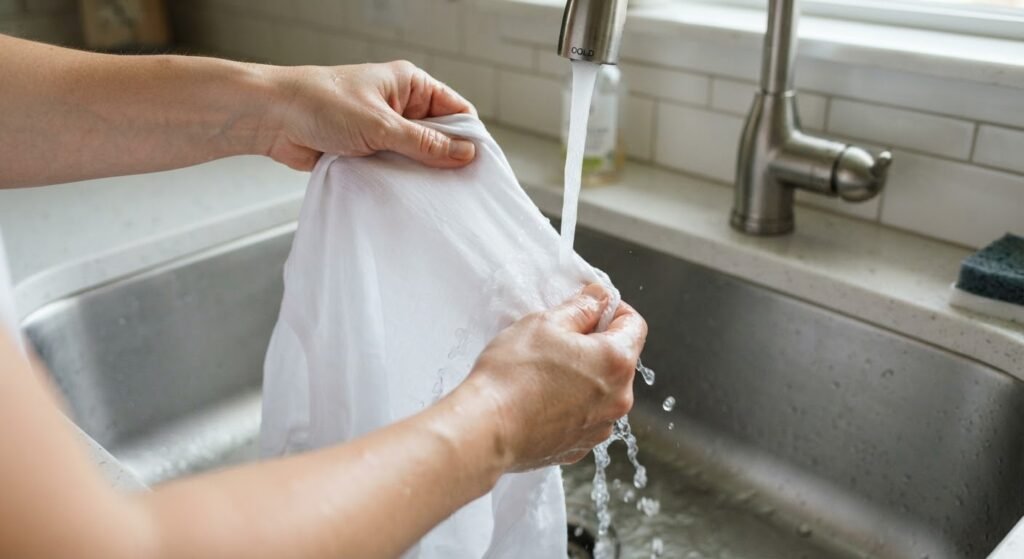
1. Rinse the stained area with cold water.
2. Flush water through the back of the fabric when possible.
3. Mix equal parts white vinegar and cold water.
4. Add a small amount of mild detergent.
5. Apply the solution to the stain and allow it to sit for several minutes.
6. Rinse thoroughly before washing.
Many coffee and tea stains respond well to early treatment. However, older stains may require repeated applications before noticeable improvement occurs.
How to Remove Ink Stains
Ink stains can be frustrating because the pigments are specifically designed to adhere to surfaces.
Step-by-Step Method
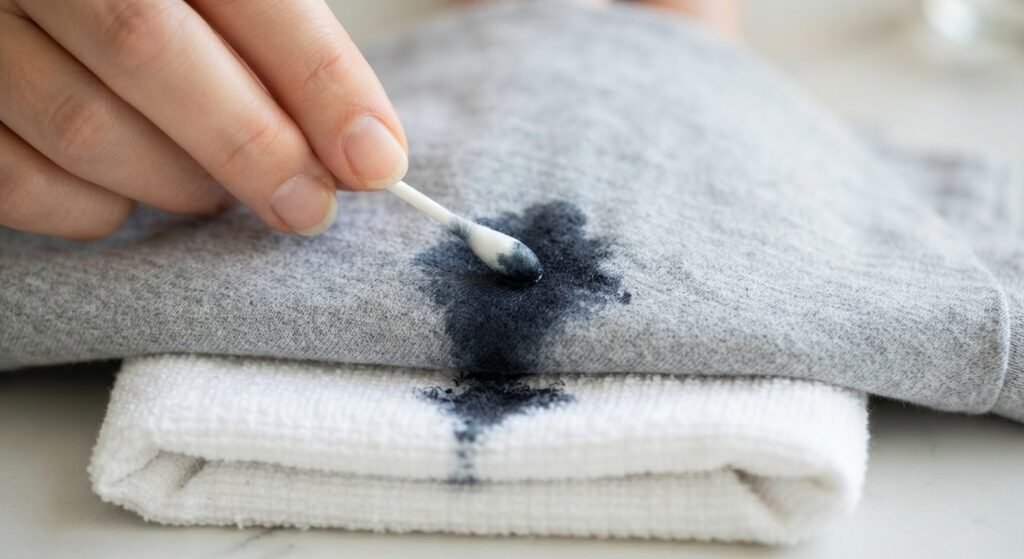
1. Place a clean towel underneath the stained area.
2. Dampen a cotton swab with rubbing alcohol.
3. Gently dab the stain from the outer edge toward the center.
4. Replace the towel underneath as necessary.
5. Continue until less ink transfers from the fabric.
6. Rinse and wash normally.
It is important to dab rather than rub. Rubbing may cause the ink to spread and create a larger stained area.
How to Treat Food Stains
Food stains can contain a combination of oils, proteins, and pigments. Sauces, ketchup, salad dressing, and other prepared foods often require a multi-step approach.
Begin by removing any excess food with a spoon or dull knife. Blot the remaining residue and rinse with cool water. Apply a mild detergent directly to the stain and allow it to penetrate the fibers before laundering.
For heavily stained garments, additional treatment may be necessary before washing.
Dealing With Sweat and Deodorant Marks
Sweat stains and deodorant residue commonly appear in underarm areas, especially on light-colored shirts.
A mixture of mild detergent and water can help loosen buildup before washing. Some people also use baking soda-based solutions, but fabrics vary, and it is always wise to test any cleaning approach on an inconspicuous area first.
Regular washing and prompt treatment can help prevent permanent yellowing over time.
Fabric Care Considerations
Not all fabrics respond the same way to stain removal products.
Delicate materials such as silk, wool, rayon, and cashmere may react differently to household cleaning solutions. Before applying any stain treatment:
- Check the care label.
- Test products on a hidden area.
- Avoid excessive scrubbing.
- Use cool or lukewarm water unless the care instructions specify otherwise.
When dealing with expensive or delicate garments, professional cleaning may be the safest option.
For a fabric item that cannot be washed like ordinary clothing, this lampshade cleaning guide explains how to avoid creating water marks.
Common Stain Removal Mistakes to Avoid
Many stain removal attempts fail because of simple mistakes.
Using Hot Water Too Soon
Hot water can cause certain stains, particularly protein-based stains, to bond more firmly with fabric fibers.
Scrubbing Aggressively
Excessive friction may damage fibers and spread the stain.
Mixing Multiple Cleaning Products
Combining products without understanding their chemical interactions can damage fabric and may create unwanted reactions.
Ignoring Care Labels
The garment manufacturer provides cleaning recommendations for a reason. Following these guidelines may help extend the life of your clothing.
When Professional Cleaning May Be Necessary
While many stains can be treated successfully at home, some situations require specialized care.
Professional cleaning may be appropriate when:
- The garment is made from delicate materials.
- The stain has been present for a long time.
- Previous treatment attempts were unsuccessful.
- The item is particularly valuable.
- The stain involves substances such as paint, industrial chemicals, or unknown materials.
Seeking professional assistance early may increase the likelihood of successful stain removal.
Final Thoughts
Stains are unavoidable, but they do not always have to result in damaged clothing. The most effective stain removal strategies focus on prompt action, proper identification of the stain, and methods that match the fabric type. Simple techniques such as blotting, using appropriate cleaning solutions, and avoiding excessive heat can often make a significant difference.
While no stain removal method guarantees perfect results in every situation, understanding these basic principles can help you care for your clothing more effectively and extend the life of your favorite garments. Consistent fabric care, combined with timely stain treatment, remains one of the best ways to keep clothing looking clean and well maintained for years to come.
Frequently Asked Questions
Can old stains still be removed from clothing?
In some cases, yes. Older stains can be more difficult to remove because they may have bonded to the fabric fibers over time. However, repeated treatment with appropriate stain removal methods can sometimes improve the appearance of older stains. Results depend on the type of stain, fabric, and previous cleaning attempts.
Should I use hot or cold water to treat stains?
Cold water is generally the safest choice for treating most fresh stains. Hot water may cause certain substances, especially protein-based stains such as blood, milk, or sweat, to set more deeply into fabric. Always check the garment care label before using warm or hot water.
Is dish soap safe for removing grease stains?
A small amount of liquid dish soap can often help break down grease and oil-based stains on washable fabrics. However, it is recommended to test the product on a hidden area first, especially when treating delicate or dark-colored garments.
When should I take stained clothing to a professional cleaner?
Professional cleaning may be the best option if the garment is made from delicate materials, has a valuable finish, contains an unknown stain, or has already gone through several unsuccessful cleaning attempts. Early professional treatment may increase the likelihood of successful stain removal.
Can stain removal products damage fabrics?
Some cleaning products may affect fabric color, texture, or durability if used incorrectly. Always read product instructions carefully and test on an inconspicuous area before applying the solution to a visible part of the garment.
What is the biggest mistake people make when treating stains?
One of the most common mistakes is rubbing the stain aggressively. Rubbing can push the stain deeper into the fabric and may damage the fibers. Blotting gently and treating the stain promptly is usually a better approach.