Why Your Oven Smokes During Preheating and What to Check First

An oven that smokes during preheating often has grease, food residue, or leftover cleaner heating inside the cavity. A new oven may also release a light haze or odor during its initial heating cycle. These situations are different from thick smoke, visible flames, sparks, a burning-wire smell, or a natural-gas odor—all of which require you … Read more

Why Your Dishwasher Leaves White Film on Dishes and What to Check First

Homeowner examining a cloudy glass beside an open dishwasher

If your dishwasher leaves white film on dishes, do not assume that the appliance needs a new part. The coating may be a removable hard-water deposit, undissolved detergent, or permanent damage to the surface of glassware. Start by examining one affected glass, then check your water hardness, detergent use, rinse-aid setting, loading, filter, and spray … Read more

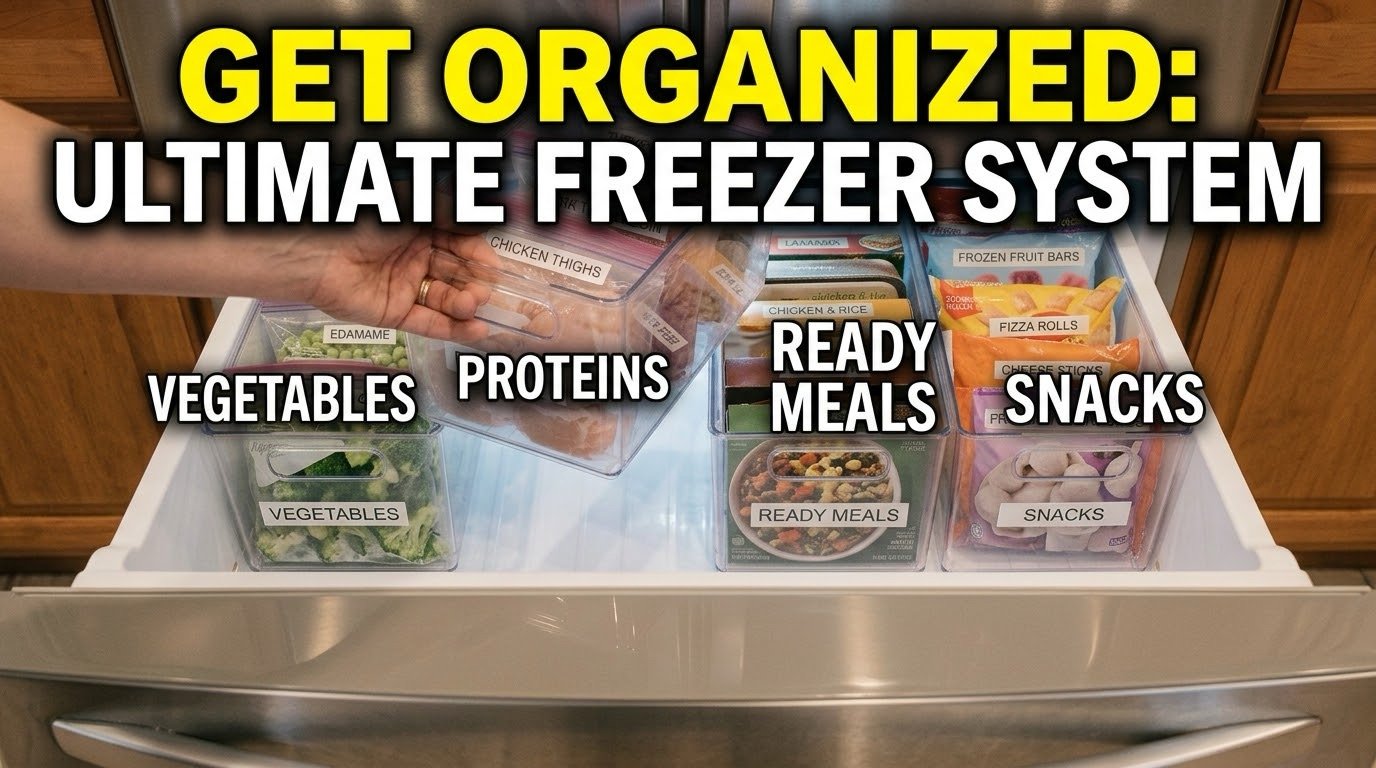
Why Bottom-Drawer Freezers Are So Hard to Organize (And How I Finally Fixed Mine)

A bottom-drawer freezer can become difficult to organize because deep bins hide small packages and loose bags shift whenever the drawer moves. This practical setup uses measured zones and containers to keep everyday food visible and reachable.

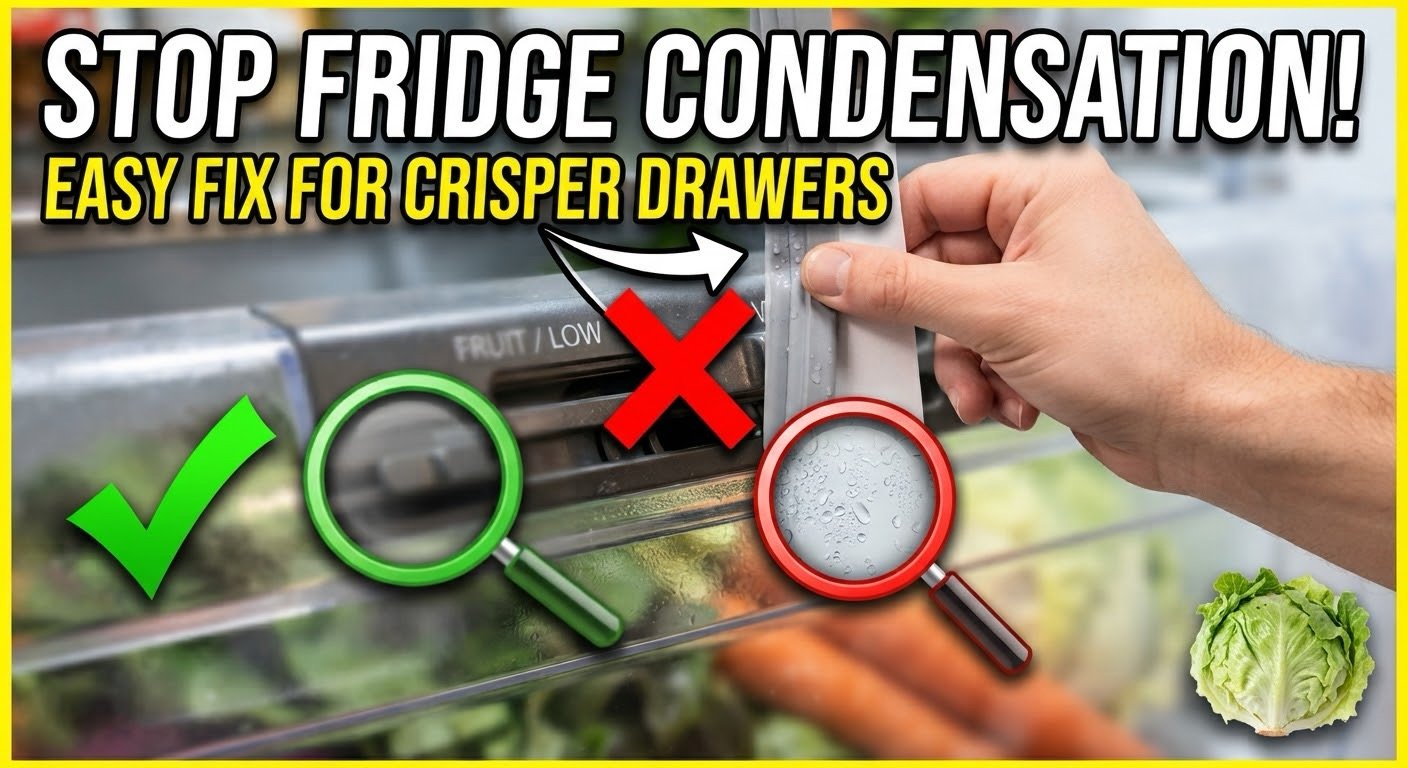
How to Prevent Condensation in a Refrigerator Crisper Drawer

A crisper drawer is supposed to be humid. That’s the entire point of the compartment — it slows the moisture loss that turns lettuce limp. So a faint fog on the underside of the drawer lid isn’t a malfunction. What you want to stop is the next stage: beads of water on the produce, a … Read more

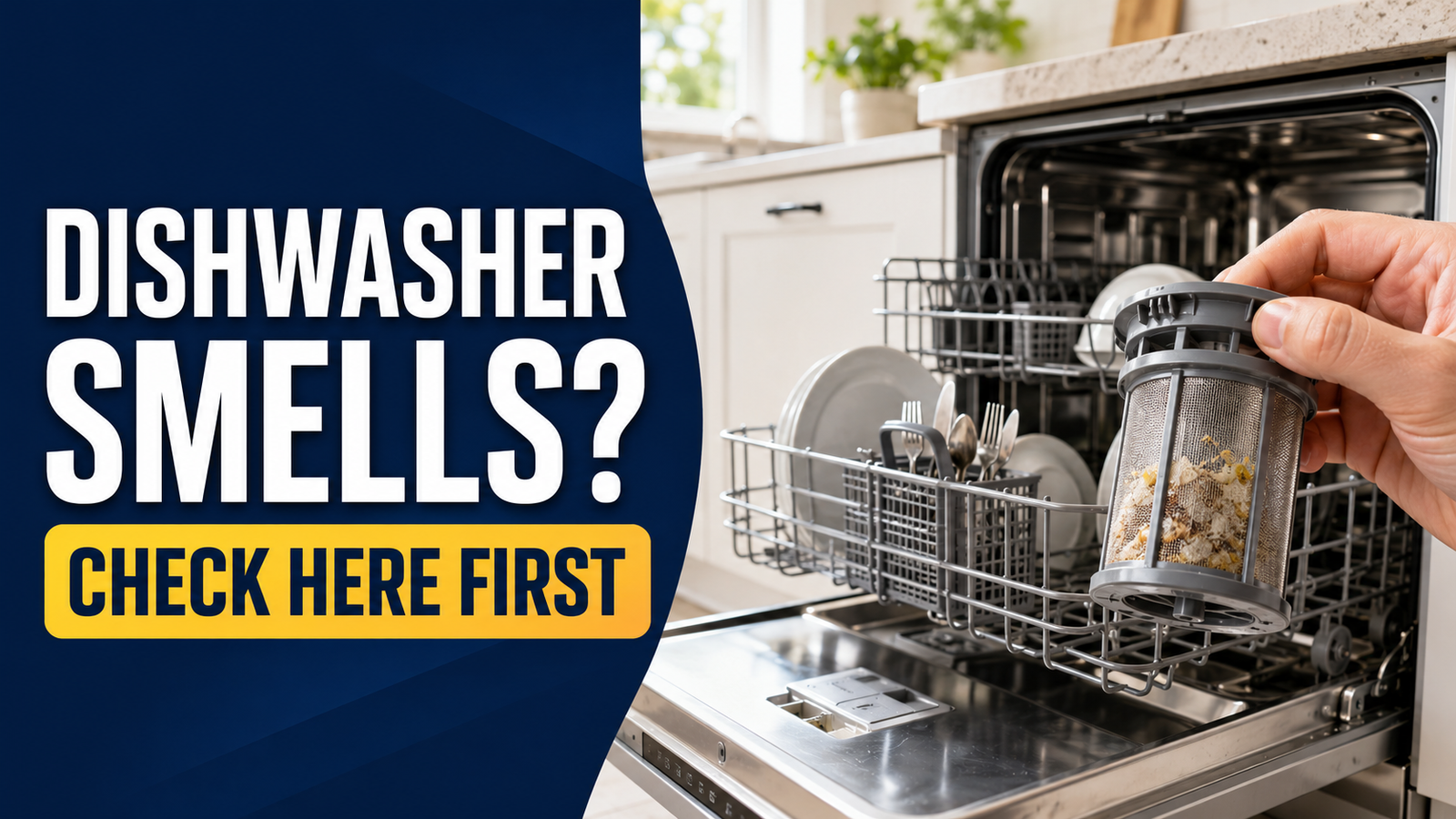
Why a Dishwasher Smells After a Cycle and What to Check First

If your dishwasher smells after a cycle, start with the filter, the lower door edge, and any unexpected standing water. Trapped food and residue can remain even after a completed wash. Cleaning those areas may solve the problem, while water that fails to drain calls for a closer look at the drainage system. Whirlpool’s dishwasher … Read more

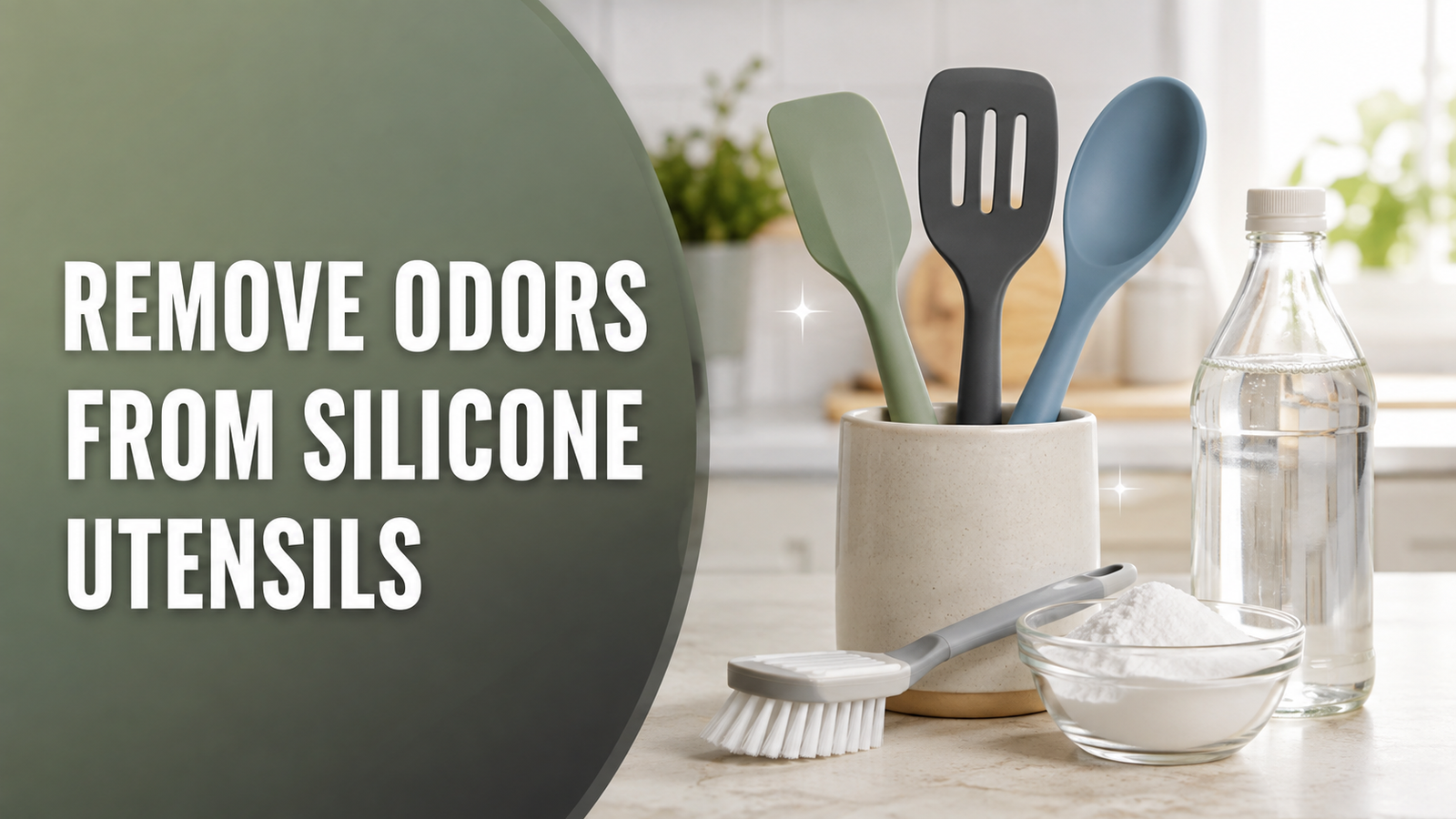
How to Remove Food Odors From Silicone Kitchen Utensils Without Damaging Them

Silicone kitchen utensils beside baking soda, white vinegar, and a cleaning brush for odor removal

To remove food odors from silicone kitchen utensils, begin by washing away any invisible grease with hot, soapy water while paying close attention to edges, slots, and handle seams. If the smell remains after the utensil dries, soak the silicone portion in baking soda and warm water or in equal parts warm water and plain … Read more

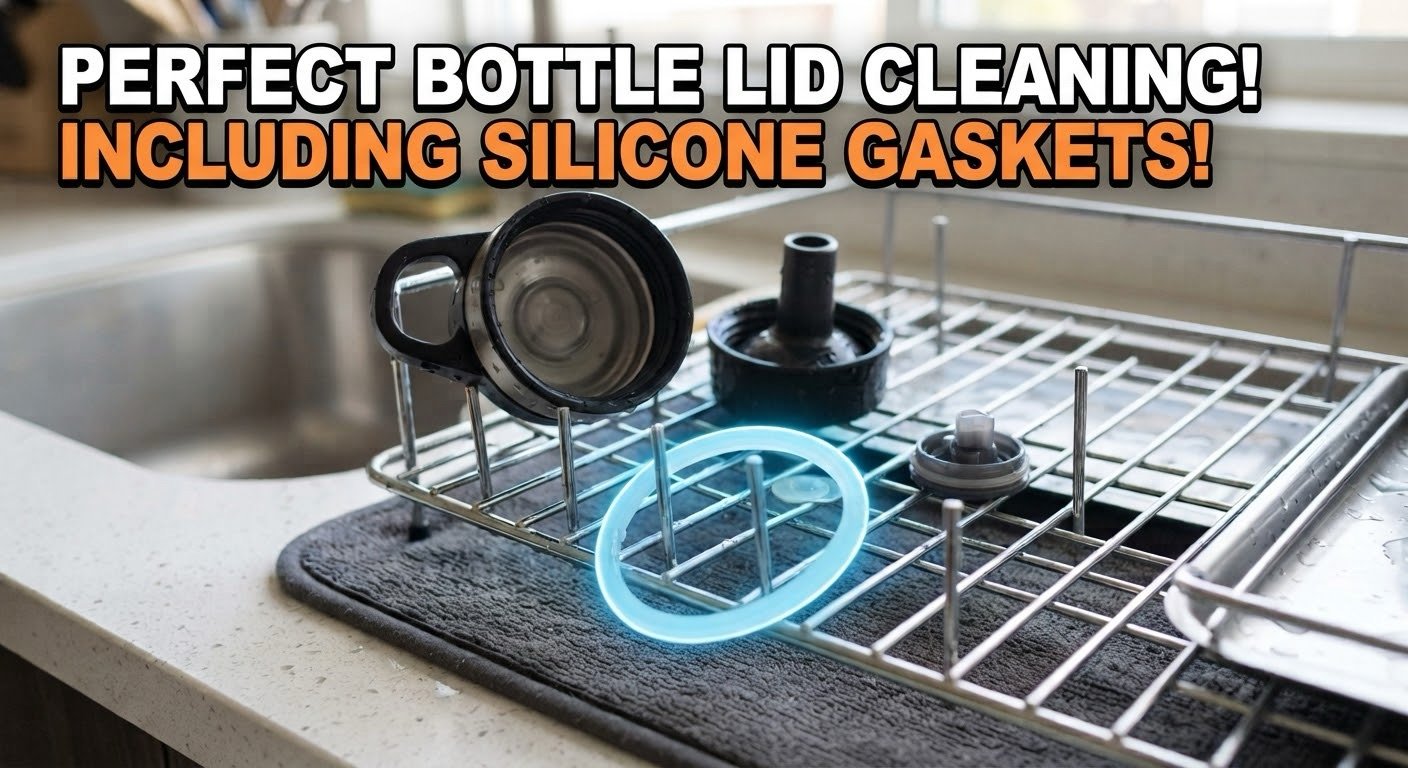
How to Clean a Reusable Water Bottle Lid and Silicone Gasket

To clean a reusable water bottle lid and silicone gasket, first check the manufacturer’s instructions and remove only the parts designed to come out. Wash the lid, removable gasket, straw, and mouthpiece separately with warm water, mild dish soap, and appropriately sized soft brushes. Rinse every surface, let all components air-dry completely, and reinstall the … Read more