Shower Drain Hair Catchers Compared: Which Type Fits Your Drain?
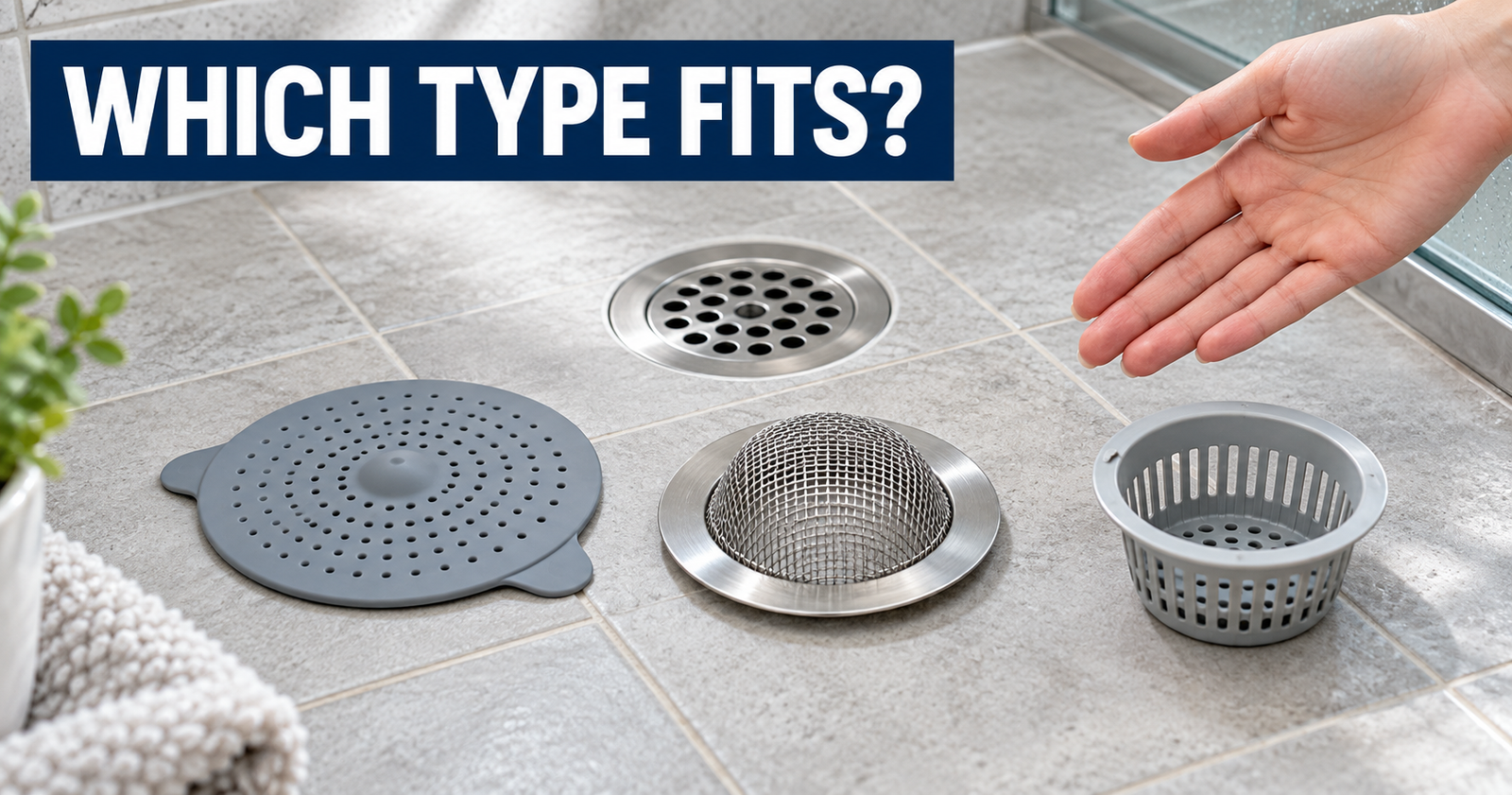
Compare silicone, metal, and in-drain shower hair catchers, then learn how to measure your drain and test the fit without creating a new drainage problem.
Straightforward home-maintenance guides for common plumbing, moisture, airflow, fixture, and seasonal upkeep problems. Learn how to identify likely causes, make safe routine checks, and recognize repairs that should be handled by a qualified professional.
Compare silicone, metal, and in-drain shower hair catchers, then learn how to measure your drain and test the fit without creating a new drainage problem.
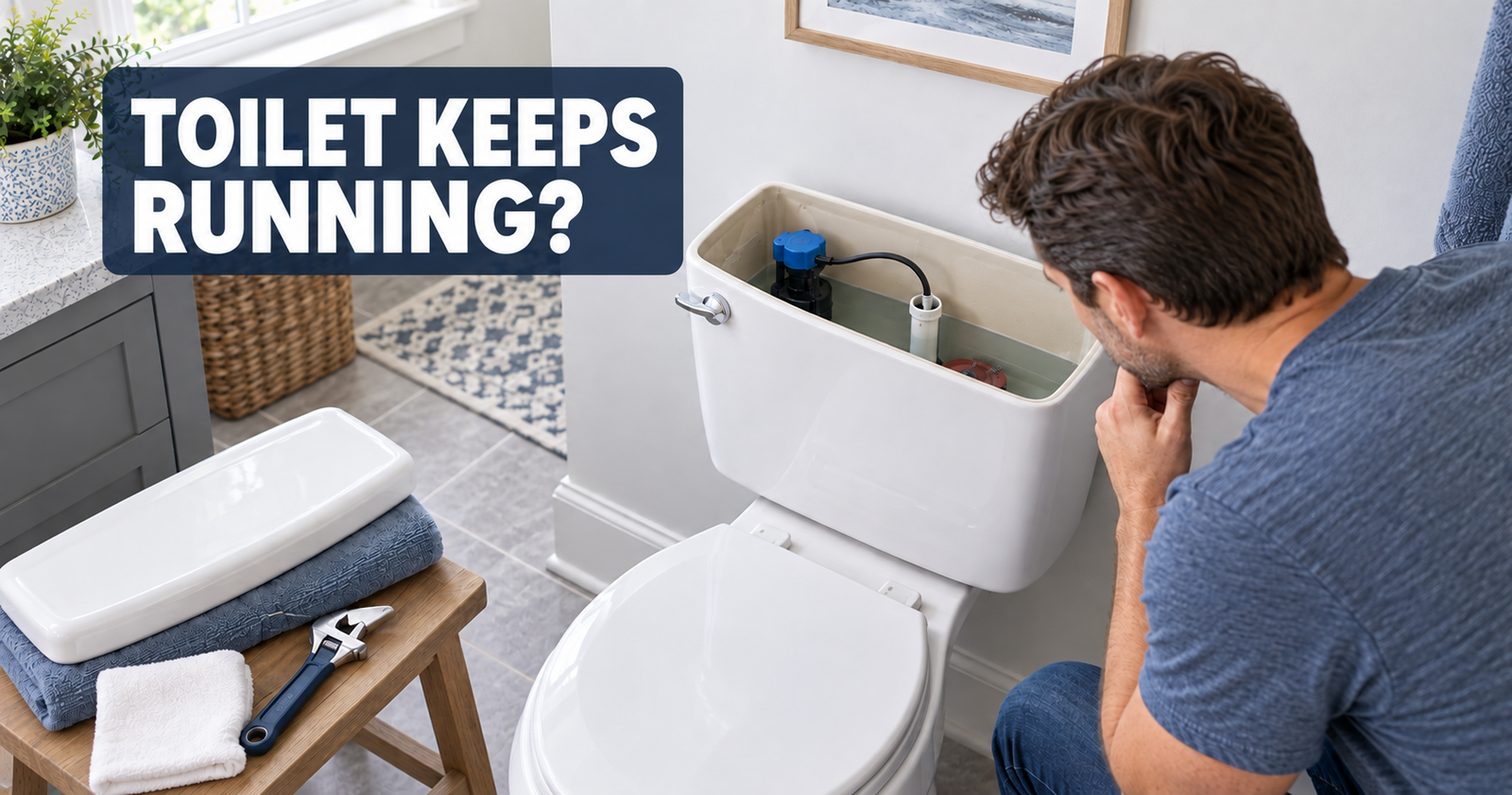
A toilet that keeps running is usually losing water in one of two ways. The fill system may be allowing tank water to reach the overflow tube, or water may be slipping past the flush seal into the bowl. In the second case, the falling tank level causes the fill valve to turn on again … Read more
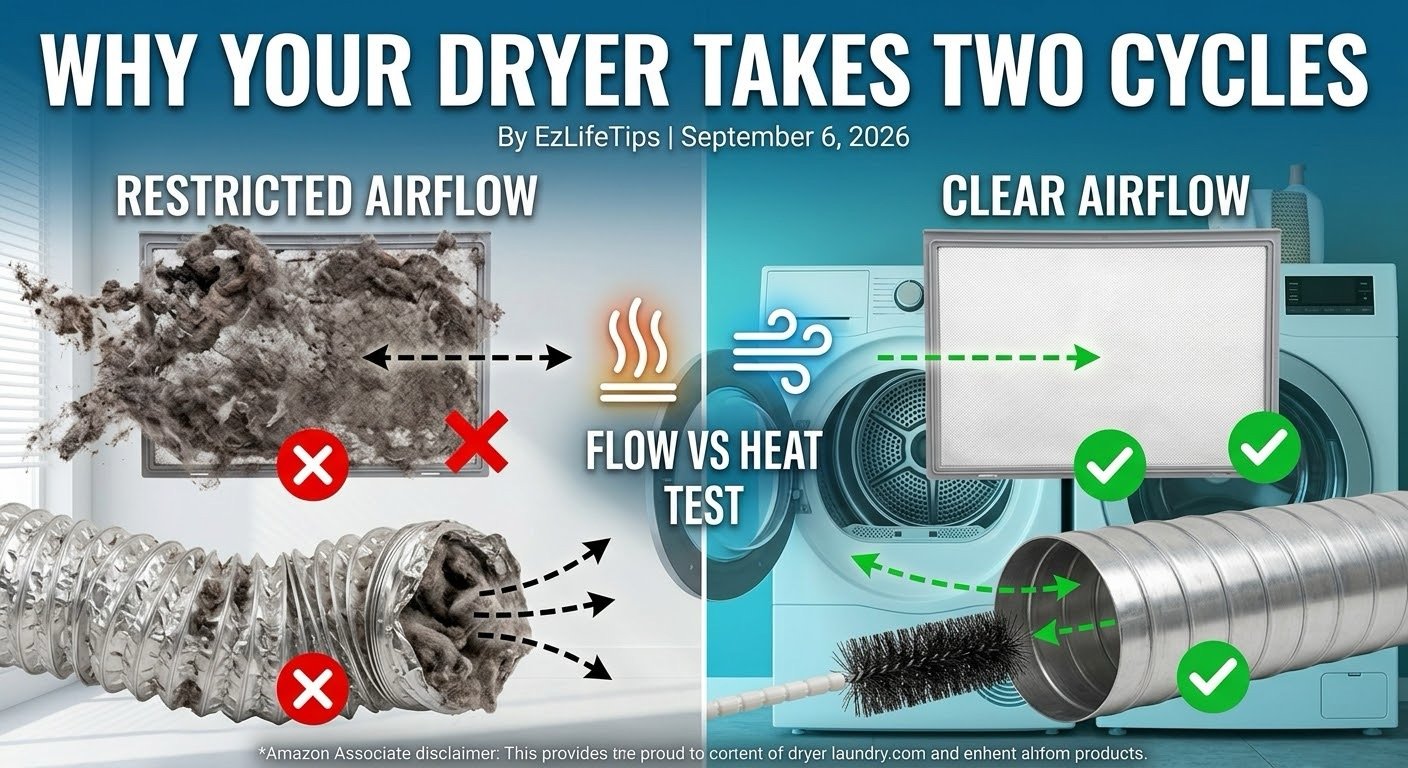
If your dryer takes two cycles to dry one load, check the load, cycle setting, lint filter, and—on a vented model—the exhaust path. Restricted airflow is one possible cause, but damp clothes alone do not identify a failed part. The vent checks below apply to conventional vented dryers. Heat-pump and condenser dryers need their own … Read more
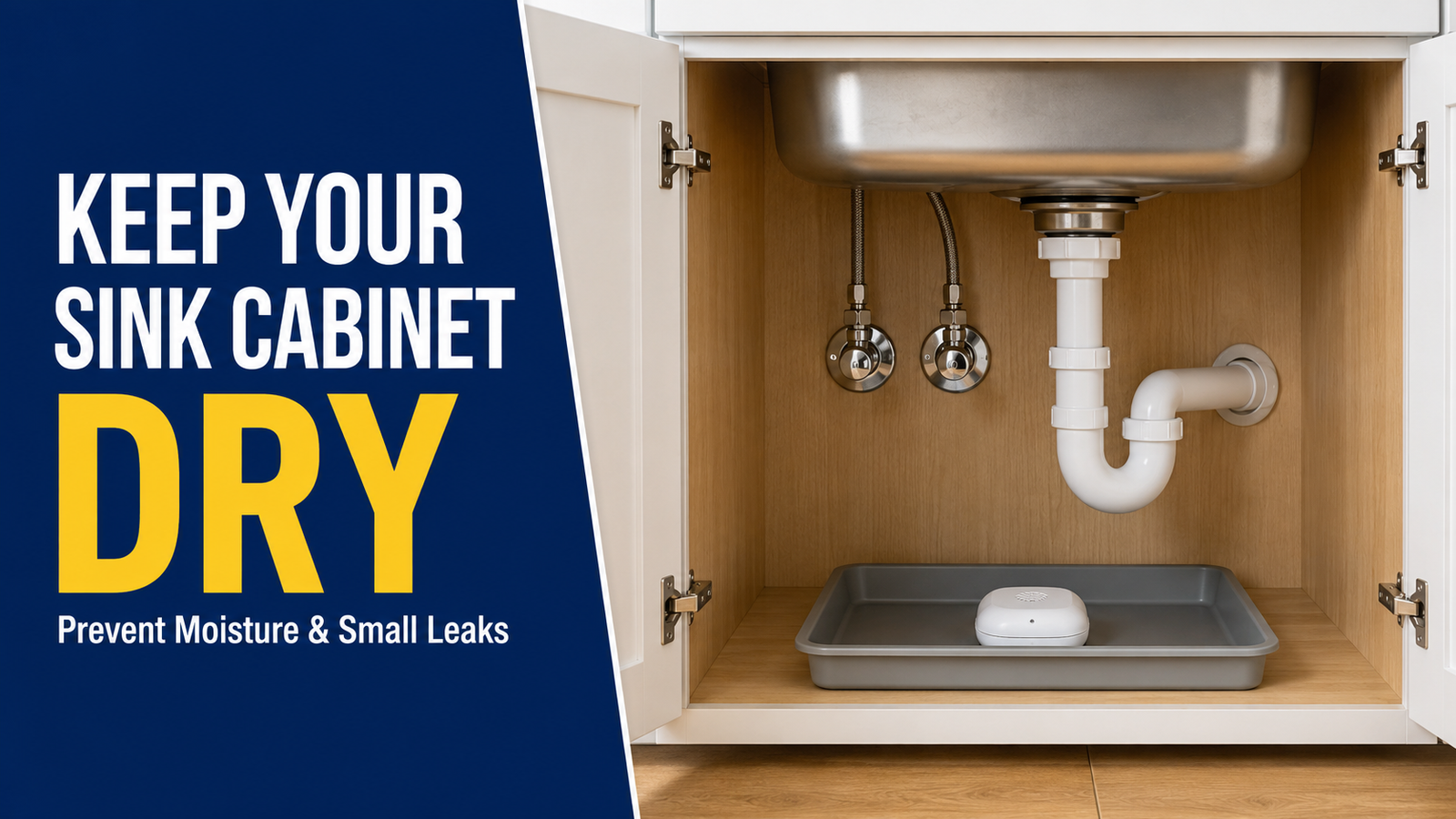
To prevent moisture under the kitchen sink, repair drips promptly, protect hoses and drain connections from strain, and control condensation on cold pipes. Keep the cabinet easy to inspect, and use a removable waterproof tray and a properly positioned water alarm as extra protection. If the cabinet is already damp, find the source before covering … Read more

Use this simple home maintenance checklist to organize essential spring, summer, fall, and winter tasks and catch small problems early.
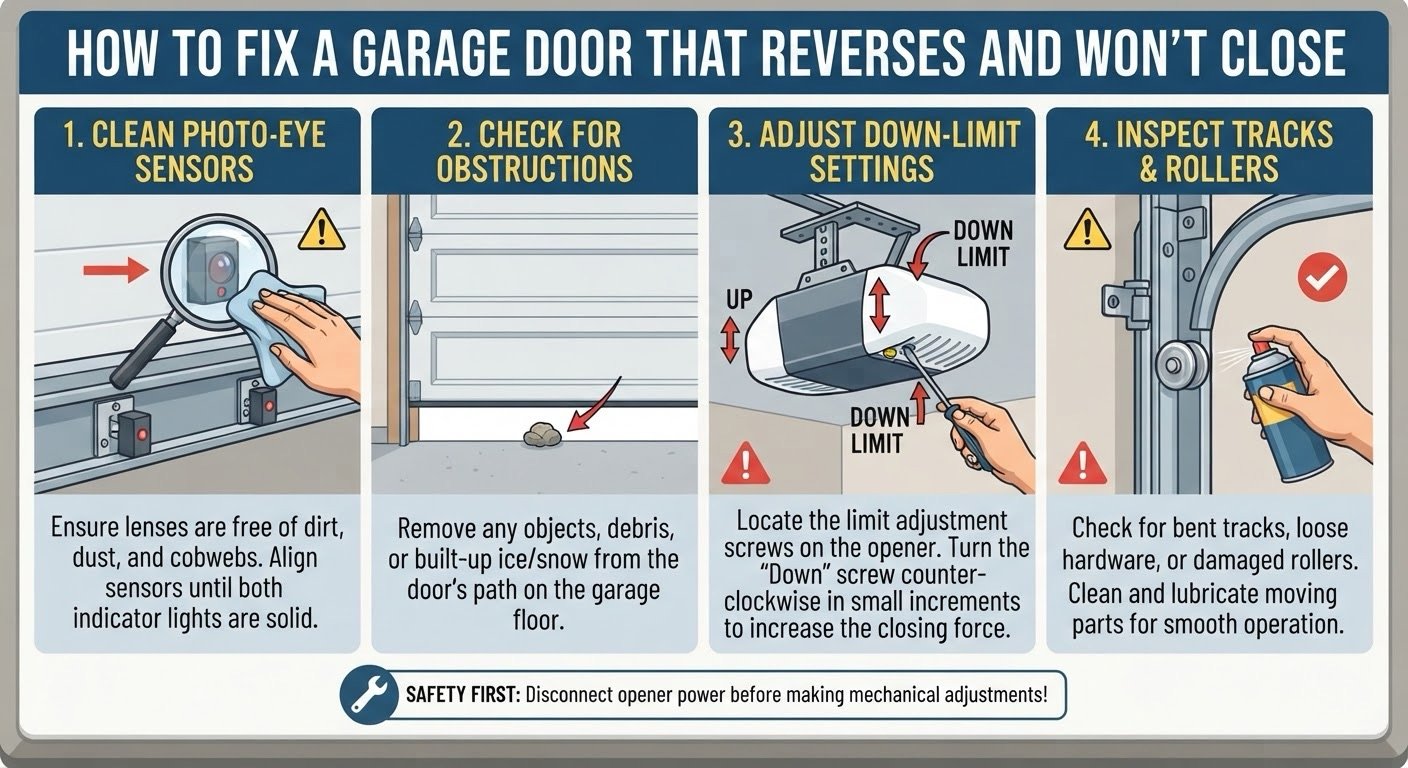
When a garage door starts closing and then reverses, first notice exactly when it changes direction. A door that reverses before reaching the floor may be reacting to a blocked or misaligned safety sensor or resistance in its movement. A door that touches the floor and then reopens may require a model-specific travel-setting check. Do … Read more
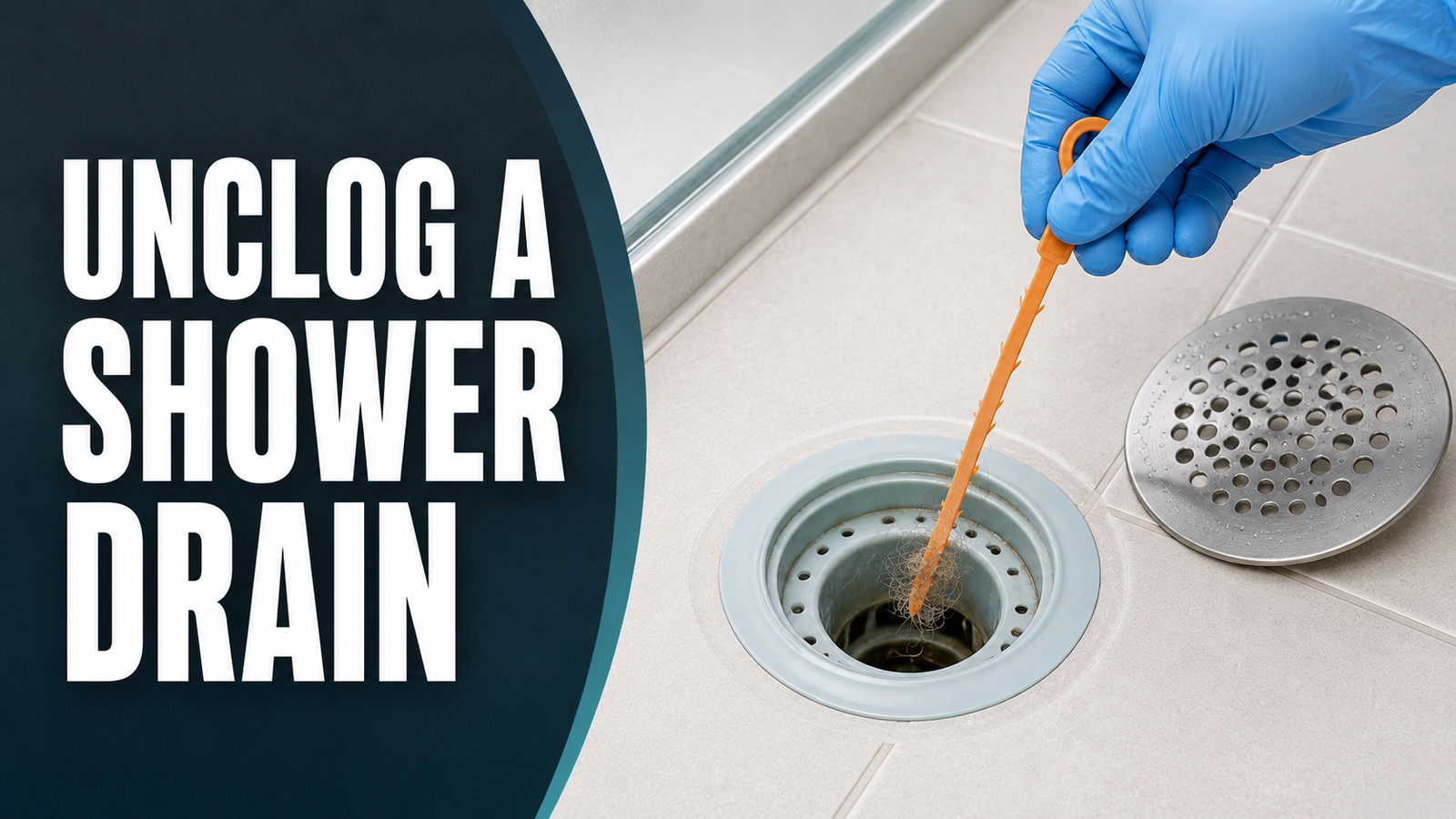
The safest way to unclog a shower drain is to begin with physical removal. Take off the removable drain cover, pull out accessible hair with a purpose-built plastic drain tool, and test the flow. If the drain remains slow, try a cup plunger followed by a small manual drain auger. Avoid starting with boiling water, … Read more
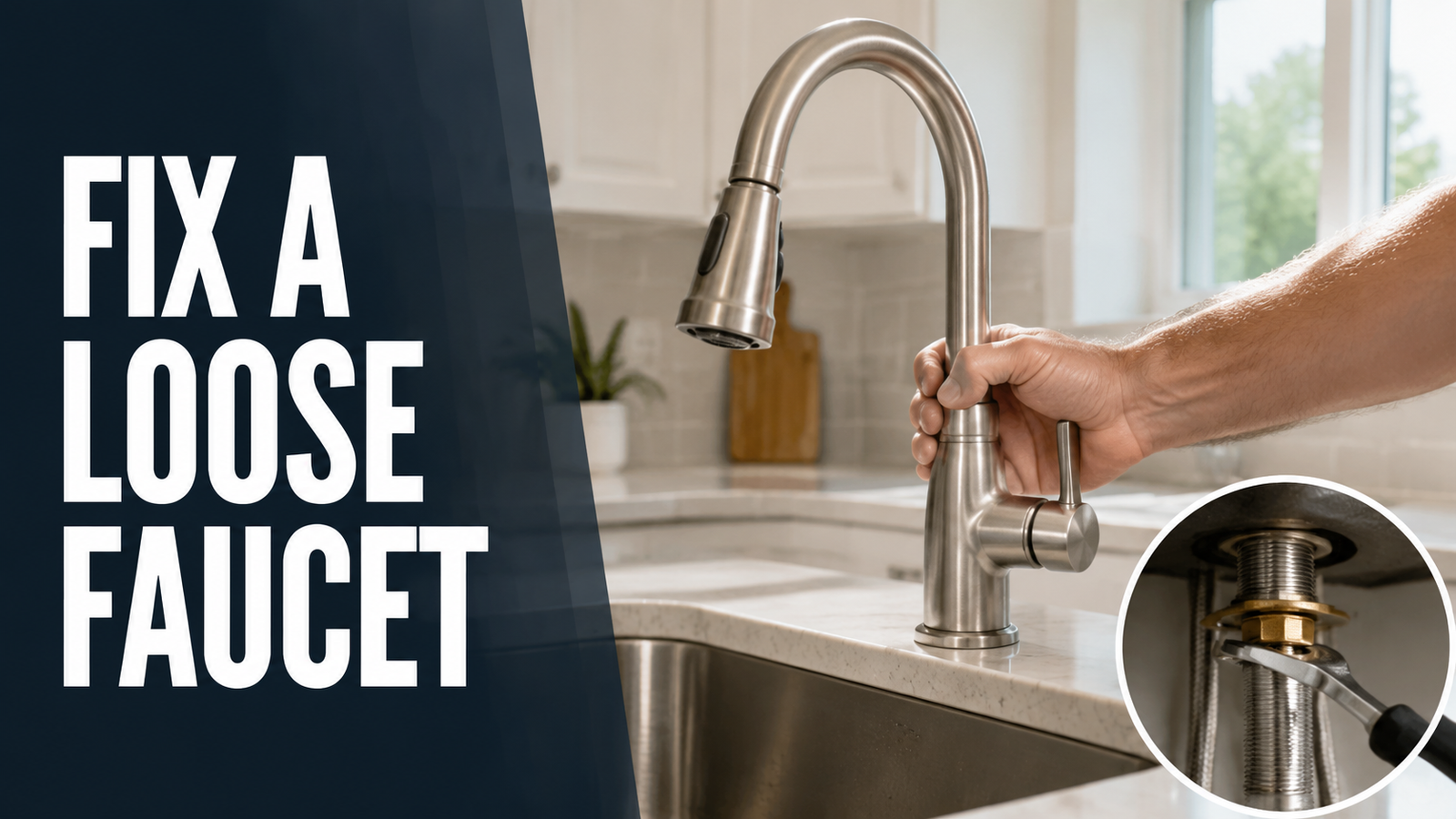
A loose kitchen faucet can often be secured by tightening its mounting hardware, but the correct method depends on the faucet’s design. Some models use a large mounting nut, others use a bracket with screws, and some are tightened from above the countertop. Before reaching for a wrench, determine whether the entire faucet base is … Read more