How to Prevent Condensation in a Refrigerator Crisper Drawer

A crisper drawer is supposed to be humid. That’s the entire point of the compartment — it slows the moisture loss that turns lettuce limp. So a faint fog on the underside of the drawer lid isn’t a malfunction. What you want to stop is the next stage: beads of water on the produce, a … Read more

Why a Dishwasher Smells After a Cycle and What to Check First

If your dishwasher smells after a cycle, start with the filter, the lower door edge, and any unexpected standing water. Trapped food and residue can remain even after a completed wash. Cleaning those areas may solve the problem, while water that fails to drain calls for a closer look at the drainage system. Whirlpool’s dishwasher … Read more

How to Stop Sheets From Balling Up in the Dryer

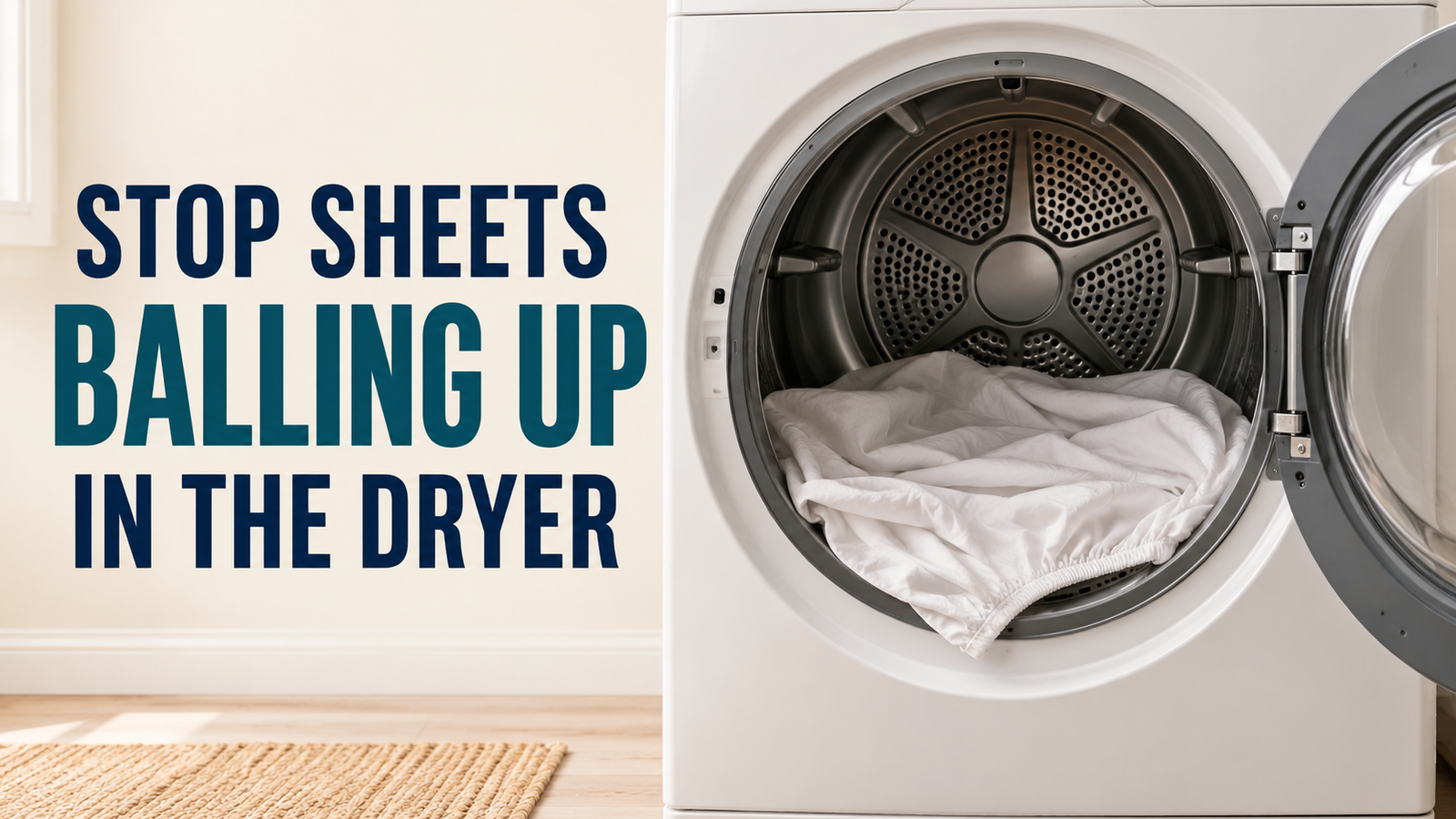
To stop sheets from balling up in the dryer, loosen each piece before loading, leave room for it to tumble, and separate a fitted sheet from anything it repeatedly traps. If a bundle has already formed, pause the dryer and open it up before continuing. Pay attention to where the fabric stays wet. A damp … Read more

How to Prevent Moisture and Small Leaks Under the Kitchen Sink

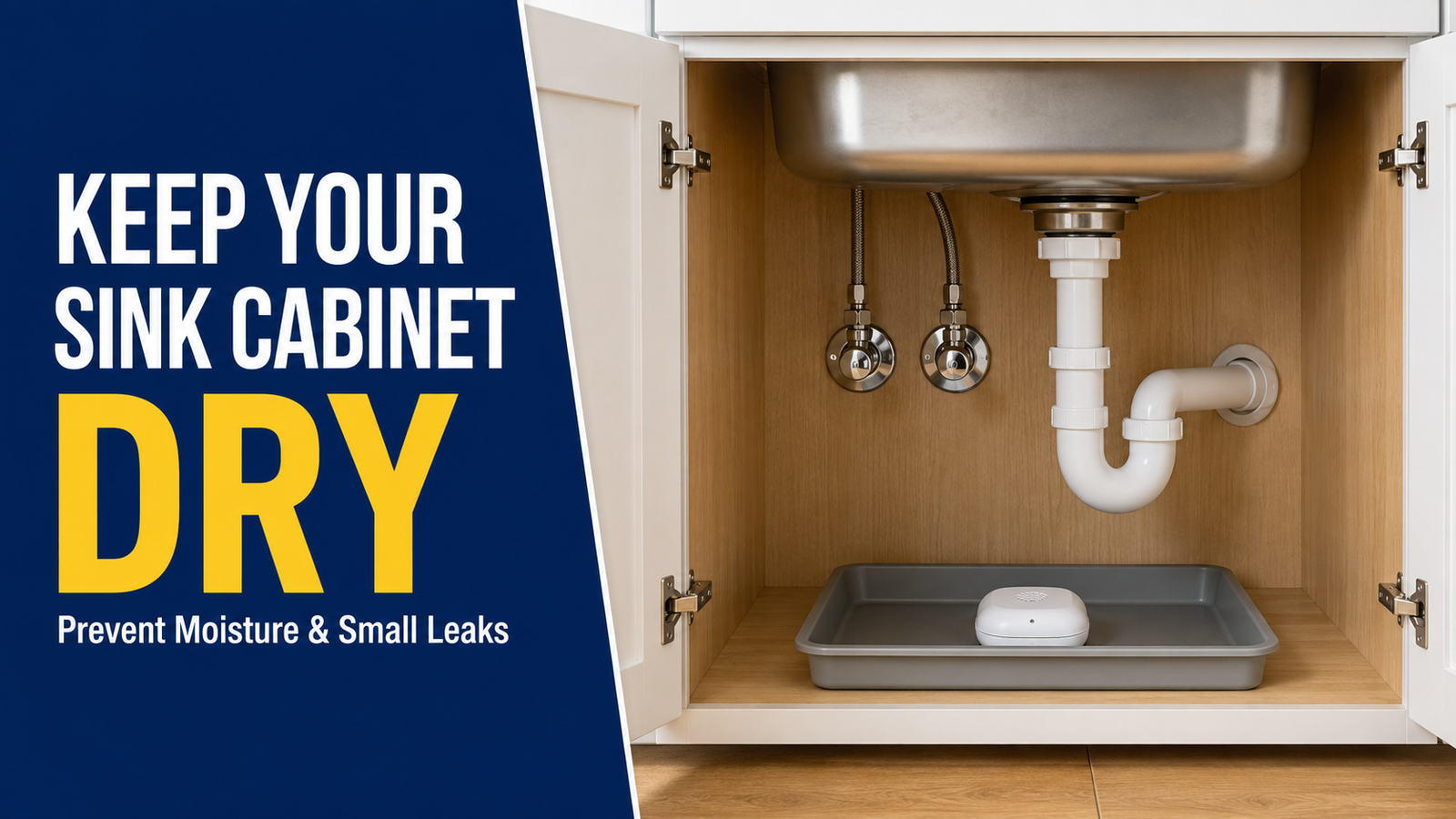
Open kitchen sink cabinet with a drip tray and water leak alarm beside the text “Keep Your Sink Cabinet Dry.”

To prevent moisture under the kitchen sink, repair drips promptly, protect hoses and drain connections from strain, and control condensation on cold pipes. Keep the cabinet easy to inspect, and use a removable waterproof tray and a properly positioned water alarm as extra protection. If the cabinet is already damp, find the source before covering … Read more

Why Microfiber Cloths Stop Absorbing Water—and How to Restore Them

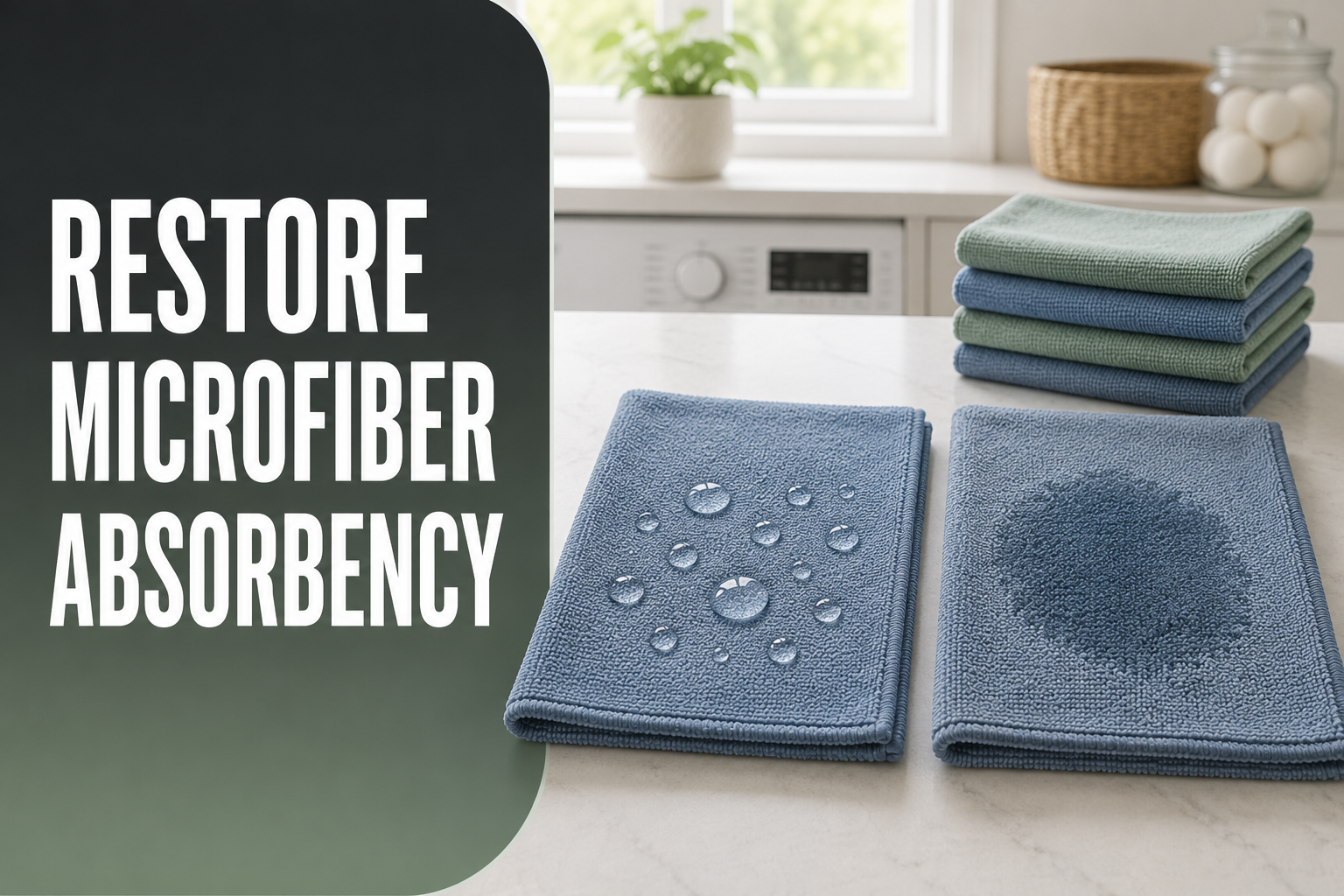
Water beading on one microfiber cloth and absorbing into another beside clean cloths

When microfiber cloths stop absorbing water, the fibers are often coated or clogged with fabric softener, dryer-sheet residue, excess detergent, grease, wax, or polish. Rewashing the cloth separately with an appropriate amount of plain detergent—without softener—and rinsing it thoroughly can often restore its performance. Not every cloth can be recovered. Excessive heat, ironing, harsh bleach, … Read more

How to Remove Food Odors From Silicone Kitchen Utensils Without Damaging Them

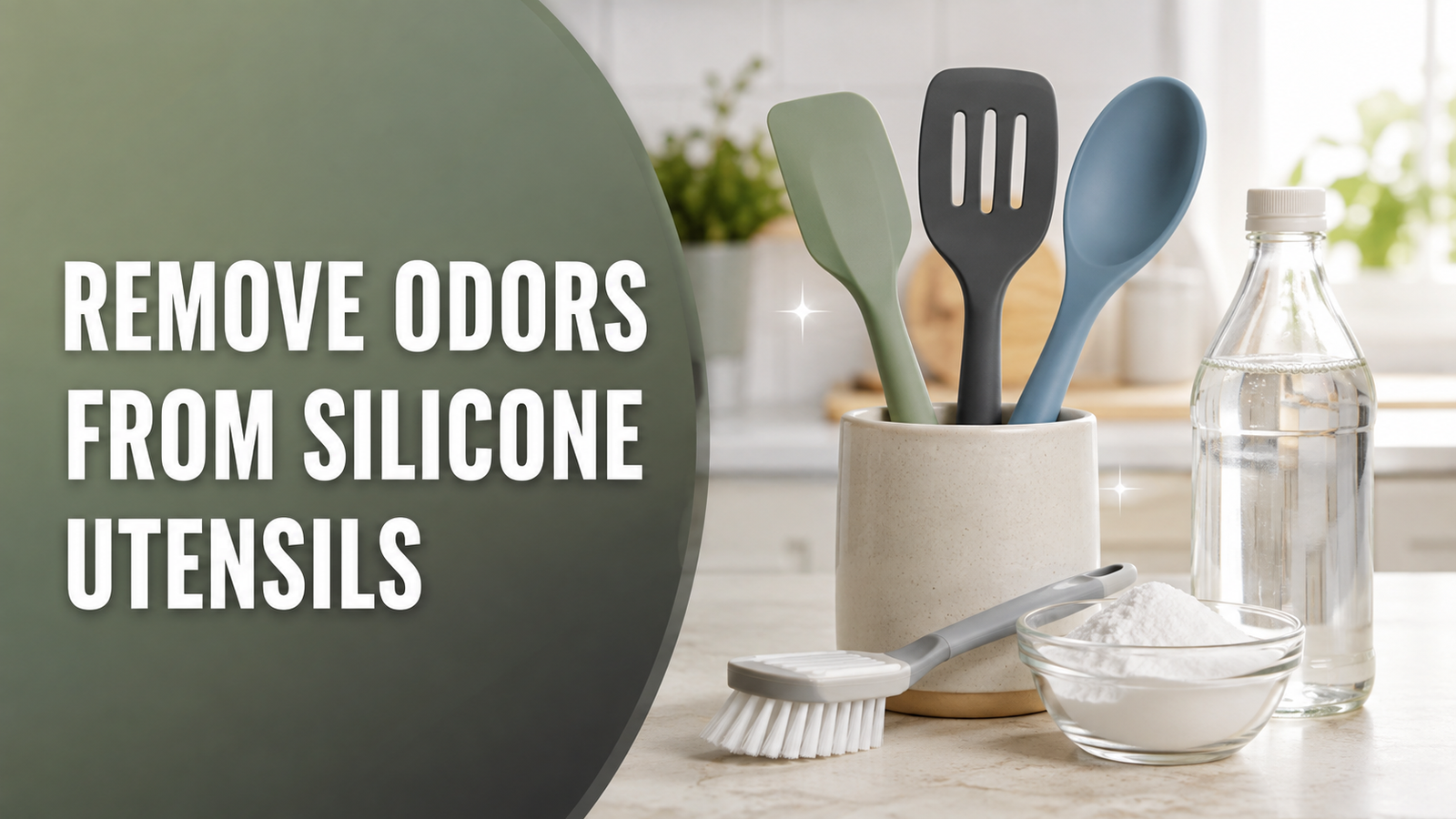
Silicone kitchen utensils beside baking soda, white vinegar, and a cleaning brush for odor removal

To remove food odors from silicone kitchen utensils, begin by washing away any invisible grease with hot, soapy water while paying close attention to edges, slots, and handle seams. If the smell remains after the utensil dries, soak the silicone portion in baking soda and warm water or in equal parts warm water and plain … Read more

How to Remove Sticky Residue From Painted Walls Without Damaging the Paint

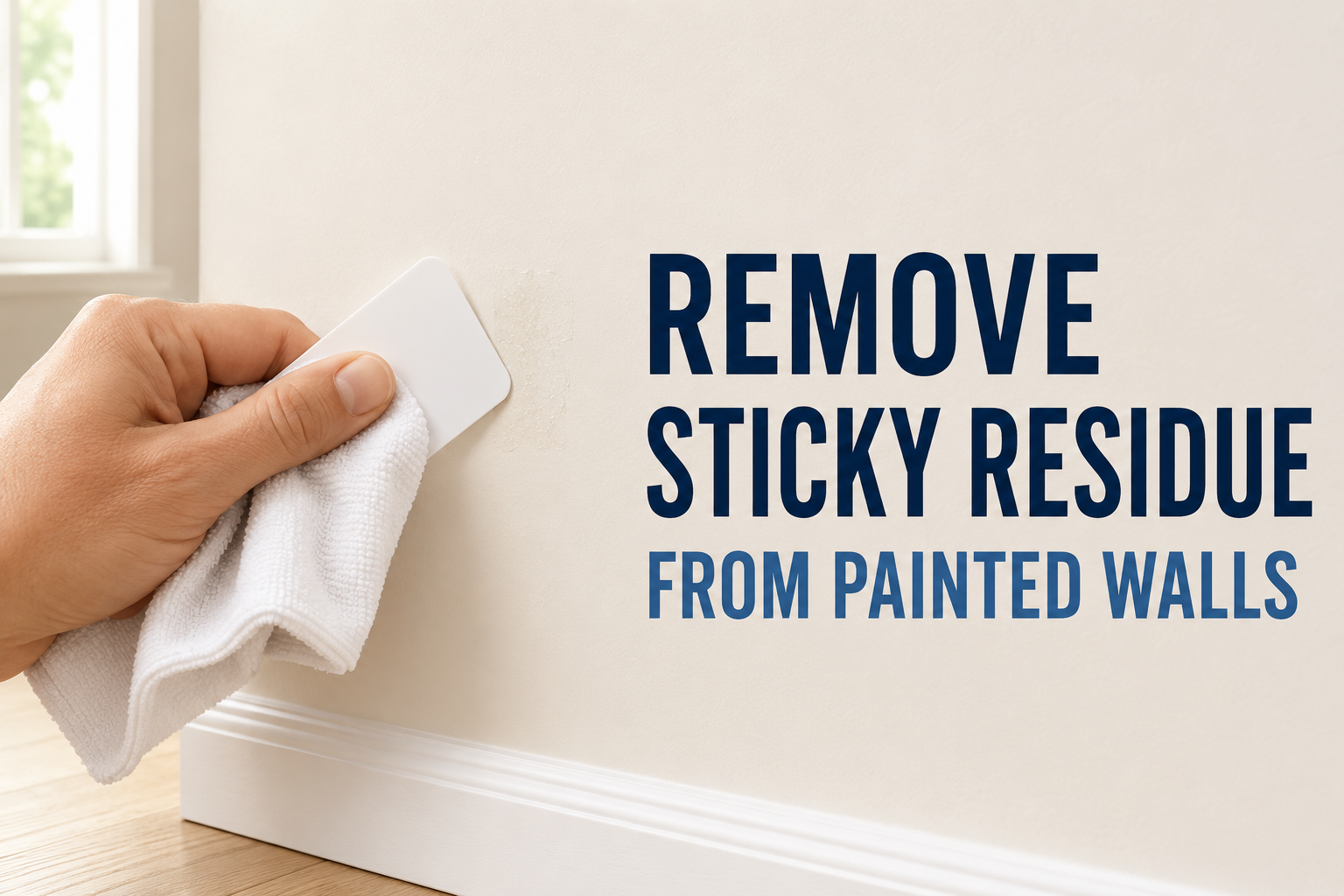
The safest way to remove sticky residue from painted walls is to begin with a clean cloth dampened with warm water. If that does not work, add a small amount of mild dish soap and gently work on the adhesive without soaking or scrubbing the wall. A flexible plastic edge can help lift thicker residue, … Read more

How to Clean a Reusable Water Bottle Lid and Silicone Gasket

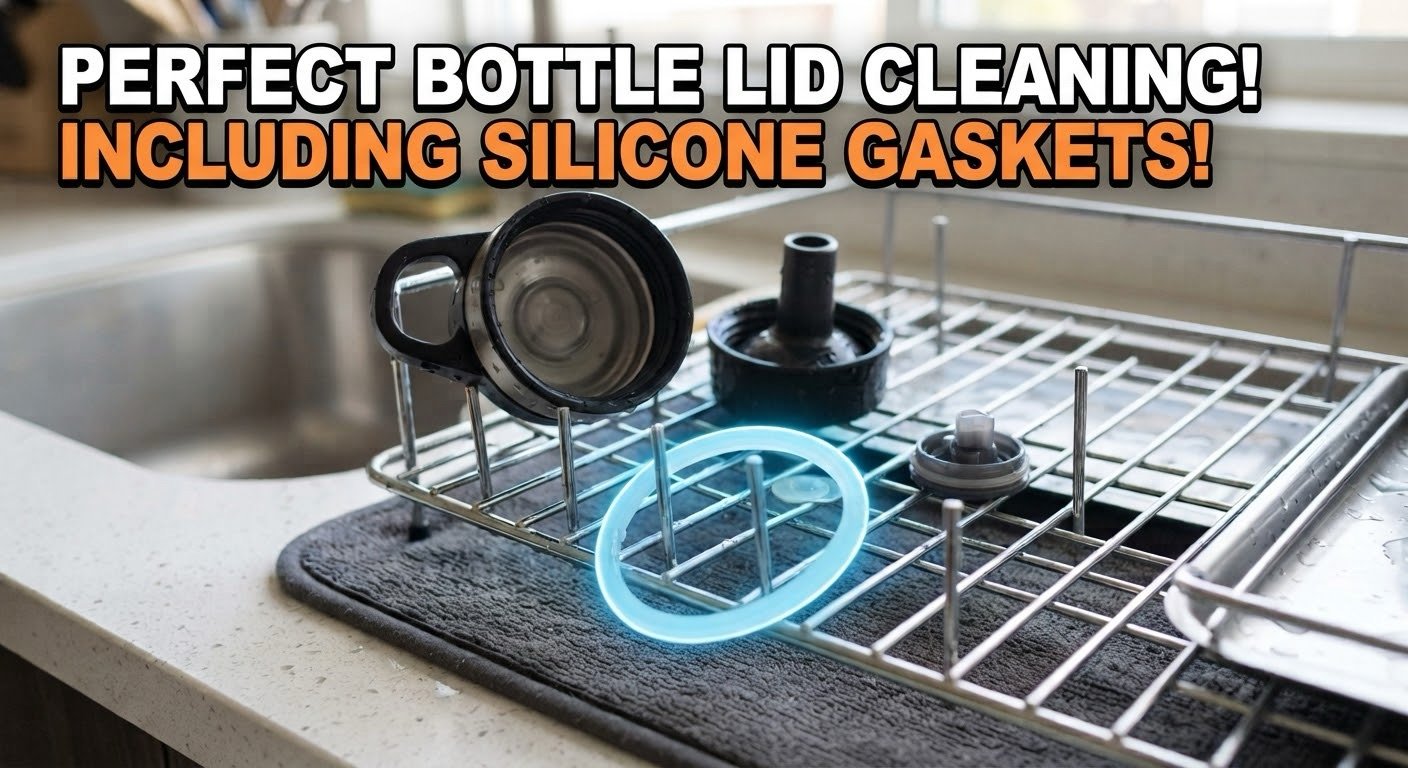
To clean a reusable water bottle lid and silicone gasket, first check the manufacturer’s instructions and remove only the parts designed to come out. Wash the lid, removable gasket, straw, and mouthpiece separately with warm water, mild dish soap, and appropriately sized soft brushes. Rinse every surface, let all components air-dry completely, and reinstall the … Read more

Why Dishcloths Smell Sour and How to Keep Them Fresh

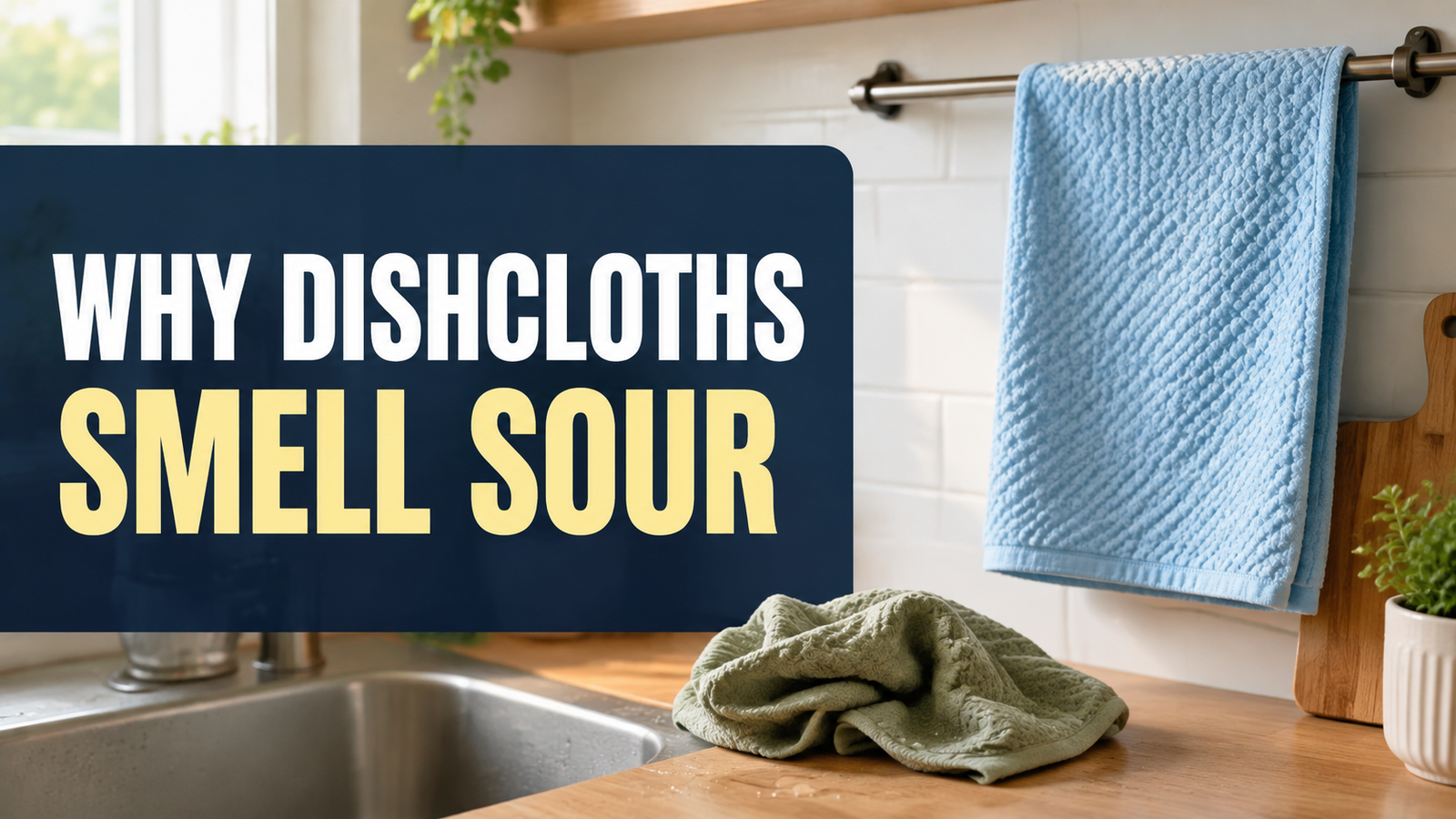
A sour-smelling dishcloth usually has a moisture-and-soil problem, not a fragrance problem. The cloth stays damp while holding traces of food, grease, and soap. Research on used kitchen towels has found that moist environments and collected food residues can support bacterial growth, which helps explain why careful washing and drying matter. Rinsing helps, but it … Read more

How to Freshen Up a Musty Closet and Keep Clothes Smelling Fresh

A musty closet needs more than fragrance spray. The odor often comes from trapped humidity, damp fabrics, dirty shoes, poor airflow, or moisture affecting a wall, shelf, or floor. Until that source is corrected, scented products may only cover the smell temporarily. To freshen up a musty closet properly, remove everything, identify any moisture problem, … Read more